Russia forces students to install the Max messenger: threats of exclusion from education

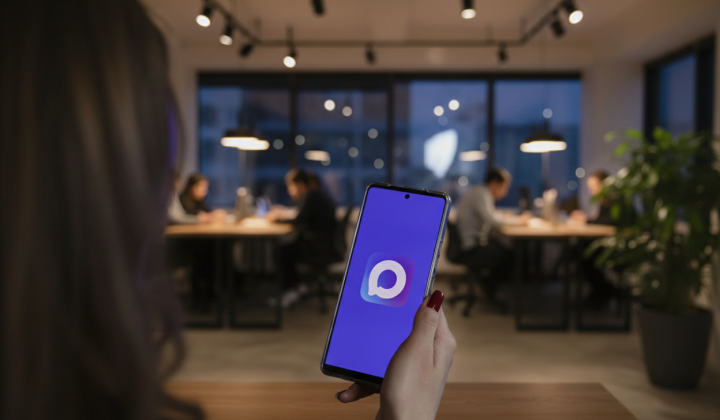
Mandatory use of the state messenger Max
According to Главком: In Russia, schoolchildren, students, and their parents are being forced to install the state messenger Max under the threat of exclusion from education and official communication. This situation has caused concern among students and their families, as refusal to use Max leads to serious consequences in the educational process.
In Penza, students of gymnasium No. 13 were not allowed to attend the New Year's disco because they refused to install the Max app. In Novorossiysk, students at the Ushakov Maritime University are also forced to install this messenger, otherwise they face exclusion from exams and practical classes. Electronic grade books in educational institutions are linked to the national messenger, and the registration check is done by name, complicating the situation for those who do not wish to use Max.
Parents of schoolchildren from the Moscow region report that school chats are being transferred to Max, prompting their children to use this app mandatorily. Teachers are ordered to transfer all official communication to Max, which limits the opportunities for students who do not have access to this messenger. In Nizhny Novgorod, schoolchildren complain that without Max, they lose access to important information about their studies, which negatively affects their performance.
Challenges and concerns
It is worth noting that Max only works with Russian and Belarusian SIM cards in temporarily occupied territories of Ukraine. Vladimir Putin also explained that turning off mobile internet in some regions of Russia is necessary to protect against drone attacks.
These measures raise concerns about the privacy and freedom of choice of students and their parents.
This situation highlights the growing role of state technologies in the education sector in Russia, as well as the challenges faced by students and their families in the context of mandatory integration into the system. The forced use of the state messenger may lead to limited access to important educational resources for those who do not wish or cannot use this technology. It also raises questions about privacy rights and freedom of choice in the context of modern society.

Read also