Fuel Crisis Forces Russia to Request 50,000 Tons of Gasoline from Kazakhstan

Russia Turns to Kazakhstan for Gasoline Supply
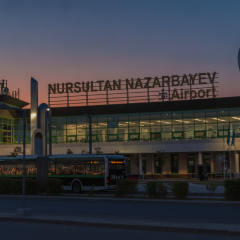
According to Главком: Moscow has asked Kazakhstan to provide 50,000 metric tons of AI-92 gasoline as domestic fuel production in Russia has dropped by roughly a quarter compared to last year. Kazakhstan’s Energy Minister, Erlan Akkenzhenov, stated that Astana has not yet received any formal request from Russia regarding fuel deliveries.
With a fuel crisis now affecting 53 Russian regions, the government is considering several measures to stabilize the market. These include:
- restricting gasoline exports;
- increasing subsidies for refiners;
- importing fuel;
- easing quality standards for gasoline and diesel sold domestically.
Any gasoline shipments to Russia could potentially be exchanged for Russian jet fuel. However, Kazakhstan produces significantly less fuel overall than Russia does.
In July, Kazakhstan’s jet fuel reserves may shrink due to rising demand and a decline in Russian exports. Notably, Russia has recently started purchasing gasoline via sea routes from Asia for the first time in years-a clear sign of how severe the fuel market situation has become.
Gasoline Sales Restrictions Imposed
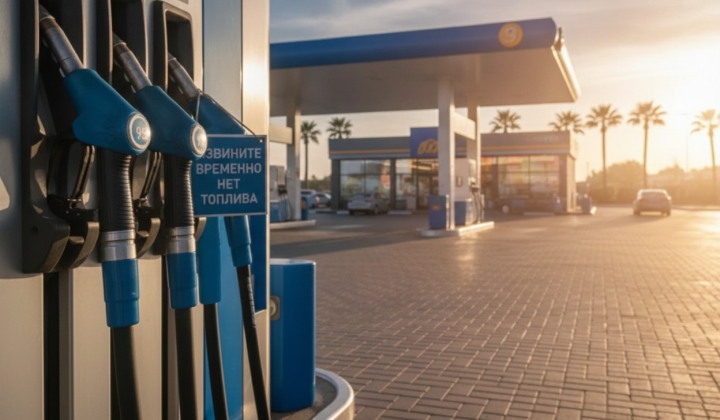
Several regions have already imposed limits on gasoline sales. In Kursk and Belgorod oblasts, Rosneft gas stations have banned the sale of AI-92 in canisters and capped AI-95 purchases at 20 liters per vehicle. Similar restrictions are reported in the Ryazan and Moscow regions, while drivers in St. Petersburg are limited to 50 liters of gasoline per car. In occupied Crimea, power outages, fuel shortages, and logistical problems persist.
The fuel market situation in Russia remains critical, raising concerns among the public and experts alike.
Russia’s request for gasoline from Kazakhstan underscores the severity of the ongoing fuel crisis in the country.
The sales restrictions seen in multiple regions highlight that domestic demand for fuel remains high despite the drop in production. This could have broader implications for Russia’s economy and for relations between fuel-exporting nations. Given its own limited resources, Kazakhstan may struggle to fulfill Russia’s request, further complicating market dynamics.
The escalating fuel crisis in Russia has not only prompted a request for gasoline from Kazakhstan but has also led to widespread restrictions on fuel sales across the country. As the situation develops, it is crucial to understand the broader implications of this shortage. For a detailed overview of how the gasoline deficit is affecting various regions in Russia, check out the full article on the spreading gasoline shortage.

Read also