Russia Establishes Firefighting Unit for Occupied Zaporizhzhia Nuclear Plant, Raising Safety Concerns

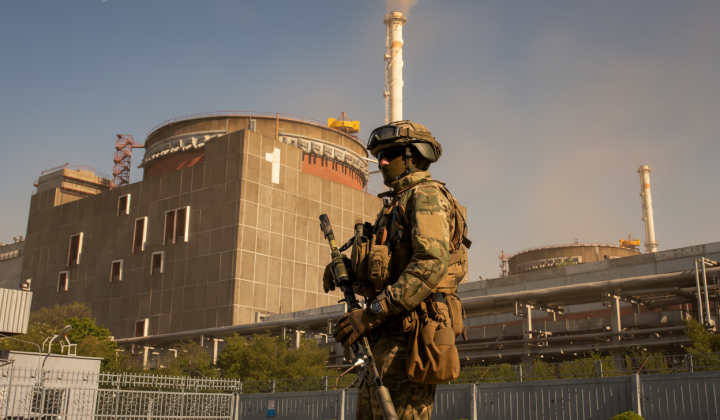
New Firefighting Unit for Zaporizhzhia Nuclear Power Station
According to Главком: Russian occupation authorities have announced plans to form a specialized firefighting detachment for the Zaporizhzhia Nuclear Power Plant (ZNPP). This move, framed as a safety enhancement, comes as the International Atomic Energy Agency (IAEA) reported that as of February 20, 2026, the plant remains reliant on a single main power line due to damage to backup networks from ongoing hostilities. The safety of Europe's largest nuclear facility has been a persistent international concern since its seizure.
Details and Concerns Over the New Force
According to a draft decree from the Russian president, this new unit will be part of the federal fire service and have a staff of 211 people. Its formation is scheduled for 2027-2028, with the decree set to take effect on April 1, 2026. However, Ukraine's National Resistance Center has expressed alarm, suggesting that while officially labeled a 'rescue service,' the unit could serve as another mechanism for conscripting men of military age into Russia's security apparatus.
The establishment of this fire brigade raises serious questions about the actual safety and operational stability of the ZNPP amidst the continuing conflict. Experts stress the critical need for robust safety protocols, given the plant's immense size and the catastrophic potential of any incident. The station's precarious situation, dependent on a fragile power supply, underscores the extreme risks of warfare near nuclear sites.
The decision to create a special firefighting unit highlights the severe security challenges in the conflict zone, where fighting has already damaged critical infrastructure. As a strategically vital facility, the safe operation of the nuclear plant remains a paramount priority, yet the occupying power's actions are viewed with deep skepticism by international observers. In this volatile environment, such measures are perceived by many as an effort to consolidate control over key regional assets rather than a genuine step toward safety.

Read also