Sybiga Exposes Russia’s Covert War on Europe Through Cyberattacks, Misinformation, and Military Threats

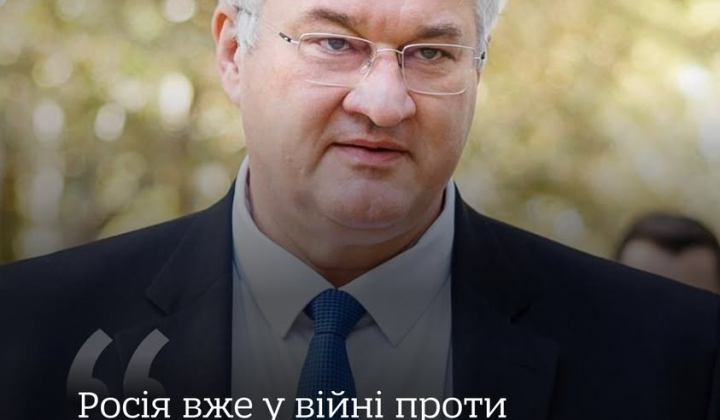
Andriy Sybiga Details Russia’s Aggressive Campaign Against Europe
According to МЗС: Ukraine’s Foreign Minister Andriy Sybiga has revealed that Russia is waging a multifaceted campaign against Europe, employing a range of disruptive tactics. These include:
- cyberattacks,
- disinformation efforts,
- sabotage of critical infrastructure,
- and military provocations.
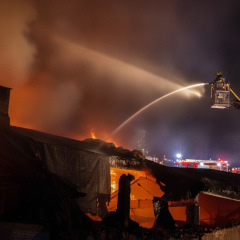
Sybiga highlighted that these hostile actions target defense manufacturers across ten EU countries, involve covert recruitment, GPS jamming affecting aviation, incursions of drones and missiles into NATO airspace, as well as damage to undersea cables in the Baltic region.
He also pointed out Russia’s extensive disinformation campaigns, referencing the crisis in Ceuta, and mentioned the discovery of underground tunnels stretching from Belarus to the Baltic coast. Emphasizing that Russia’s aggression against Ukraine began in 2014 and escalated in 2022, Sybiga urged decisive measures to counter this ongoing threat.
Strategies Proposed to Counter Russian Aggression
Among Sybiga’s recommendations is a significant reduction of the Russian citizen presence within Europe.
“First, the presence of Russian nationals in Europe must be sharply curtailed,” he stated.
He further called for banning entry to Russian combatants into the EU and scaling back non-essential Russian visas to an absolute minimum.
“Second, all connections with Russia, including trade relations, should be severed,” he added.
The minister emphasized dismantling Russia’s influence networks across Europe, advocating for the closure of organizations like Rossotrudnichestvo and Russian cultural centers, limiting cultural and scientific exchanges, banning Russian propaganda, and exposing corrupt networks.
“These actions are more than Ukrainian demands from a country at war; they could represent Europe’s final opportunity to safeguard its citizens, economy, and democratic institutions,” Sybiga warned.
Sybiga also stressed Ukraine’s extensive experience in resisting Russian hostility and its willingness to share expertise.
“We are ready to actively share our knowledge and play a decisive role in defending peace and stability throughout Europe,” he affirmed.
He called upon European governments to collaborate closely, noting that
“we remain open to requests from any European government for relevant cooperation.”
These remarks underscore the critical need for international unity in confronting Russian aggression and highlight the urgency for Europe to take firm action. Given the persistent security challenges posed by Russia, limiting Moscow’s influence within European nations is becoming increasingly vital. Strengthened cooperation between Ukraine and European states offers the potential for a more robust and coordinated response to the security threats facing the continent today.
As Europe grapples with the ongoing threat from Russia, the implications of these aggressive tactics extend beyond immediate military concerns. The potential for Russian interference in the upcoming EU elections in 2027 looms large, raising alarms about the integrity of democratic processes across the continent. Understanding this broader context is crucial for comprehending the full scope of Russia's strategies against European stability.

Read also