Russia Moves to Shield Foreign Fighters from Extradition

New Law Protects Foreigners Who Served in Russian Military
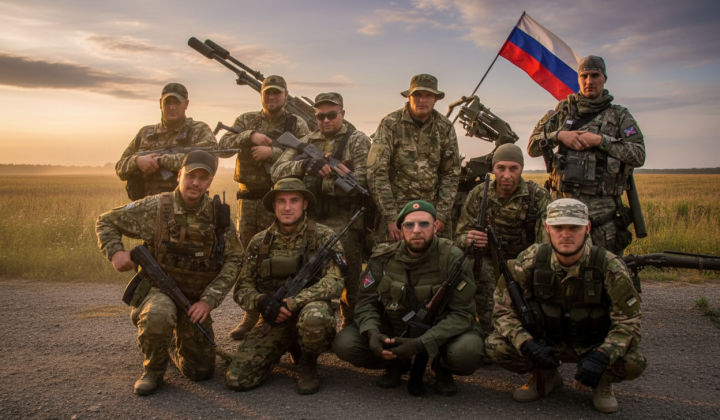
According to Главком: The Russian State Duma has passed a bill that prohibits the extradition of foreigners who served under contract in the Russian army and participated in combat. This legislation introduces a new clause to Russia's Criminal Procedure Code, banning the handover of foreign nationals or stateless persons to other states if they have served in the Russian Armed Forces or other military formations.
Under the new rules, extradition is not permitted for individuals who are currently serving or have previously served under contract in Russian forces and have seen combat. This move coincides with the passage of a separate bill that cancels administrative deportation for foreigners from Russia. Instead, violators will face administrative fines ranging from 1,000 to 50,000 rubles or be required to perform up to 200 hours of compulsory labor.
List of Restricted Countries and Expert Commentary
Both legislative initiatives were submitted to parliament by the Russian government. Concurrently, recruiters who enlist foreigners to fight in the war against Ukraine have been given a list of countries whose citizens are prohibited from signing contracts. This list includes:
- China
- India
- Brazil
- South Africa
- Turkey
- Cuba
- Afghanistan
- Iran
- Venezuela
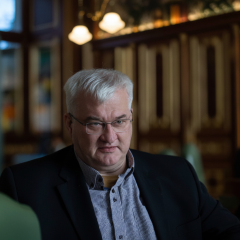
Commenting on these changes, Igor Cherepanov noted that such amendments are driven by the need to protect military secrets by keeping foreign servicemen within Russian territory. In a related development, Vladimir Putin, during a speech at a Federal Security Service board meeting, instructed law enforcement agencies to ensure the 'sovereignty' of the electoral process ahead of the State Duma elections scheduled for September 2026.
This bill reflects Russia's attempt to strengthen its military position by preventing foreign servicemen from leaving the country and potentially testifying about their service. The ban on extradition and the cancellation of administrative deportation may indicate Moscow's concerns about potential legal repercussions related to foreign involvement in armed conflicts. This policy is part of a broader pattern of tightening control over information related to military activities, especially amid ongoing international tensions following the full-scale invasion of Ukraine. The move effectively creates a legal shield for foreign fighters, complicating international efforts to hold participants accountable.

Read also