Russian Forces Deploy Domestic Satellite Internet Terminals After Starlink Disconnection

The Satellite Internet Situation
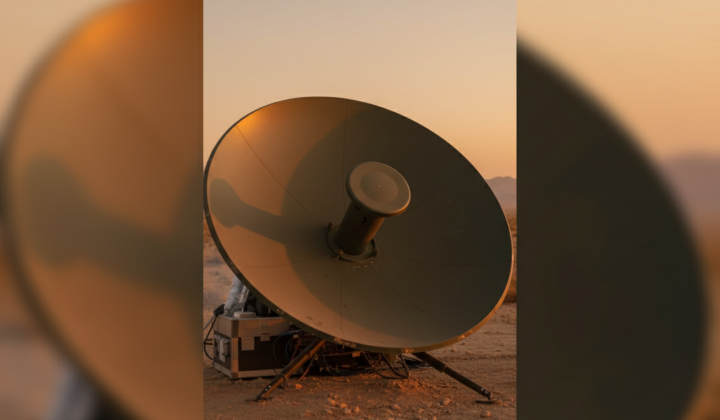
According to Главком: Following the disconnection of Starlink services, Russian occupying forces have begun receiving new satellite internet terminals. Russia operates several high-speed satellite internet providers that utilize the Yamal and Ekspress satellite constellations. The antennas for these terminals have diameters ranging from 60 to 120 centimeters. This shift highlights the technological dimension of the ongoing conflict, where reliable communications are a critical asset for military operations.
The Ukrainian government has enacted a decree to implement a whitelist for Starlink terminals, enabling stricter control over the use of this equipment. A separate, secure channel via Delta is already operational for Ukraine's Defense Forces. Defense Minister Mykhailo Fedorov emphasized that Ukrainian military personnel must promptly verify Starlink terminals to ensure their security and operational effectiveness.
Specifications of the Russian Terminals
The key features of the Russian terminals' antennas include:
- Circular or oval shapes;
- A diameter between 60 and 120 cm;
- Antenna orientation directed southeast or south, with an azimuth from 110 to 180 degrees.
According to Serhiy Beskrestnov, the dish must be openly visible, as a protective casing like the one used on Starlink could interfere with its function. The dish can be positioned deeper behind the front lines and connected to forward positions using a Wi-Fi bridge.
The evolving satellite internet situation in Ukraine and Russia underscores the continuous technological competition within modern warfare. While the Starlink disconnection presented a significant challenge for Ukrainian forces, the implementation of a whitelist and secure channels demonstrates Ukraine's capacity to adapt to new conditions. This also stresses the critical importance of controlling technologies used in combat to prevent them from falling into enemy hands.

Read also