Russian Forces Shift Tactics Near Kostiantynivka, Opting for Small-Scale Infantry Assaults

Russian Military Adjusts Battlefield Approach
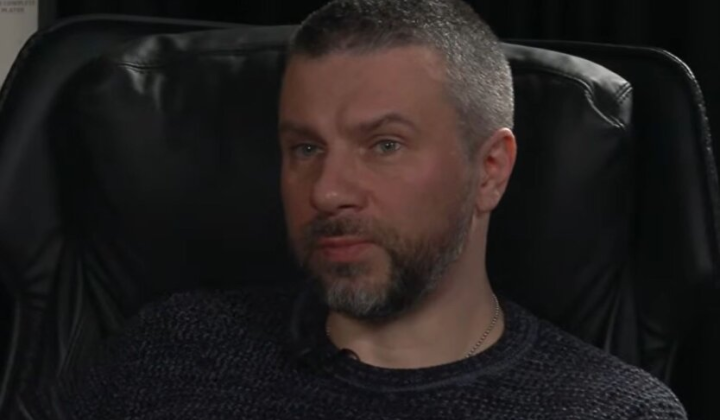
According to ХВИЛЯ: Russian forces operating in the Kostiantynivka direction have abandoned large-scale mechanized assaults in favor of a new strategy. They are now relying on continuous attacks by small infantry groups. Andriy Dmytrenko, a Ukrainian Armed Forces officer fighting in this sector, notes that massive assaults involving dozens of armored vehicles have not been observed for over six months. This area is part of the fiercely contested Donetsk region, where tactical shifts can have significant implications for the frontline's stability.
Dmytrenko describes the current battlefield situation as alarming. He emphasizes that Russian soldiers, despite suffering heavy casualties, continue to advance.
“I watch with horror how the Russians fight; it's a grim spectacle. It's just human wave tactics-they come, they die, the next one comes, and the next one walks over the corpses of their comrades in the tree lines,” - Andriy Dmytrenko.
The officer also speaks of serious problems evacuating the wounded, who are left on the battlefield awaiting an opportunity for extraction.
Dmytrenko points to ongoing personnel issues within the Russian ranks.
“The problem with personnel in the troops hasn't gone anywhere. That is, there isn't the same number of motivated people as in 2022, ready to fight with anything and in any way, unfortunately,” he says.
Due to these changes, Russian positions have become less dense, which provides Ukrainian forces with opportunities to find new methods of defense.
Pressure on Russian Soldiers
The officer also notes that the term 'obnulenie' (zeroing out, or resetting a soldier's service term) emerged around the end of 2023, and soldiers are receiving threats from their command. They are forced to continue the offensive under pressure from their superiors.
“Essentially, they are driven forward with curses, shoves, shots in the back, and essentially promises of 'zeroing out',” says Dmytrenko.
Thus, the new Russian tactics in the Kostiantynivka direction indicate a shift in their strategy and highlight the serious challenges faced by Ukrainian defenders amid personnel shortages. This tactical pivot likely reflects Russia's adaptation to heavy losses and a strained military manpower pool, forcing a reliance on less resource-intensive, though brutal, infantry-led assaults.
The change in Russian tactics may signal an adaptation to new frontline conditions, taking into account losses and personnel problems. Combat approaches involving smaller infantry groups could allow Russian armed forces to maintain some mobility, but they also point to a lack of resources for large-scale offensives. This opens new possibilities for Ukrainian forces in planning their defense and potential counteroffensive actions.

Read also