Sanctions Force Russian Diamond Giant Alrosa to Halt Mining at Key Deposit

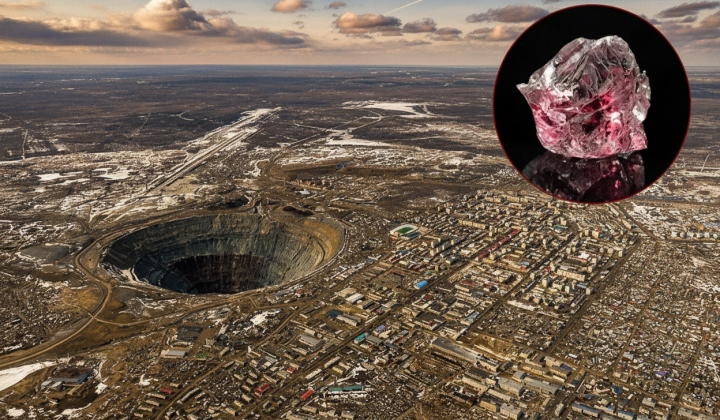
Operations Suspended at Severalmaz Mine
According to Главком: Starting July 1, Russian diamond miner Alrosa will suspend mining activities at its Severalmaz operation in the Arkhangelsk region for three months. This site accounts for roughly 10% of Russia's total diamond output. The company cites the need to preserve operational and financial stability, as well as to tighten control over rough diamond sales management, as the reasons behind the halt.
Severalmaz operates the Lomonosov deposit, which comprises six kimberlite pipes. Currently, it is extracting from two of them: Arkhangelskaya and Karpinskogo-1, with preparations underway to begin mining at Karpinskogo-2. Last year, Severalmaz increased its ore extraction by 2% to 2.8 million tons, producing around 3.5 million carats of diamonds-approximately 12% of Alrosa's total output.
Financial Strain and a Shifting Diamond Market
Alrosa's financial health is under pressure. In 2024, the company cut production by 10% to 29.8 million carats, ending the year with a net profit of 36.2 billion rubles. However, its expenses exceeded revenues by 11.2 billion rubles. Last year, Alrosa also reduced salaries by 10% for employees not directly involved in mining operations.
A broader industry downturn and sanctions imposed by G7 nations have shut Alrosa out of its traditional export markets. In response, Russia has begun buying its own diamonds for the state reserves for the first time in 15 years. The Ministry of Finance has signed a deal with Alrosa for regular purchases by Gokhran, the state precious metals and gems repository. Amid falling global demand, revenues for the world's top diamond exporters dropped by an average of 25% in 2024.
The situation at Alrosa and Severalmaz highlights the deep challenges facing Russia's diamond industry, particularly the impact of international sanctions and weak consumer demand. The decision to pause operations at Severalmaz signals the company's attempt to cut costs and conserve cash during a period of financial instability. Such moves could have lasting effects on the global diamond market, as reduced supply may drive prices higher and reshape trade flows.

Read also