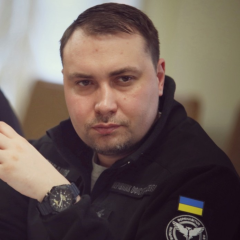
Scammers Impersonate Ukraine's Presidential Office Chief in Fake Emails


Fake Emails Purportedly from Kyrylo Budanov
According to Главком: Fraudsters are circulating counterfeit emails that falsely claim to be from Kyrylo Budanov, the Head of the Office of the President of Ukraine. A recent recipient of one such message was Yuriy Klufas, President of the Ukrainian National Federation of Canada. The email requested active media and informational support for the repatriation of Ukrainian citizens. Crucially, the message did not originate from an official government address but was sent from a mailbox created on a commercial email service: [email protected]. The signature on the letter is also not authentic to Budanov.
The Office of the President of Ukraine has issued a statement on the matter, urging everyone to carefully verify email senders and not to trust suspicious addresses.
“Scammers are sending fake letters on behalf of the Head of the Office of the President of Ukraine, Kyrylo Budanov. We urge everyone to carefully check email senders and not to trust suspicious senders,” the Office stated.
Expert Security Recommendations
Information about this cyber fraud has been forwarded to the relevant law enforcement agencies for further investigation. This is not an isolated cyber incident: on Saturday, April 18, hackers stole nearly $300 million in cryptocurrency. The Dutch military and general intelligence services also released a joint statement about a global Russian hacker espionage campaign, underscoring the need for vigilance in the digital space.
In light of these events, experts recommend adhering to several security rules:
- Thoroughly verify the sender;
- Always check the full email address;
- Do not open attachments from unknown senders;
- Do not trust dubious requests, as official bodies do not conduct important communication via mass mailings to personal emails with requests of a confidential nature.
The increasing activity of cybercriminals, including fraudulent messages impersonating high-ranking officials, highlights the necessity for heightened caution when handling email. These incidents point to serious information security threats faced not only by individuals but also by organizations and state institutions. Such situations emphasize the importance of user education on cybersecurity basics and attention to detail in the digital realm. Impersonation scams targeting diaspora communities are a common tactic to exploit trust and goodwill during times of conflict.
As cyber threats continue to escalate, it's crucial for individuals and organizations to understand how to protect their communications. Recent reports indicate that Russian state hackers are targeting popular messaging platforms like Signal and WhatsApp, further highlighting the need for robust security measures. For detailed advice on securing your accounts against such threats, read more about the risks and recommended practices here.

Read also