Scammers Impersonate Ukraine's Top Auditor to Steal Money via Viber


Fraud Scheme Using Fake Accounts
According to Главком: Criminals have been impersonating Alla Basalayeva, the head of Ukraine's State Audit Service, to solicit money through fake accounts on the Viber and Telegram messaging apps. The scammers created profiles linked to the Ukrainian phone number +38063-580-33-63 and instructed citizens to transfer funds to bank cards at 'Bank Alliance' JSC. These accounts were opened in late 2024 and have already processed approximately 30,000 hryvnias. This type of impersonation scam is a growing threat globally, often exploiting public trust in government officials.
The fraudulent accounts were managed via a foreign virtual server, and the phone number was used to receive SMS messages through an electronic SIM card on a device with a zeroed-out IMEI. Furthermore, messages in the accounts were automatically deleted, complicating efforts to track the criminal activity. It is known that one account holder is a resident of Kyiv, while another is a resident of the Kharkiv region. One of the women sold her bank account for 1,000 hryvnias to an unknown man on Telegram and, at his request, registered an account on a cryptocurrency exchange.
Law Enforcement Response
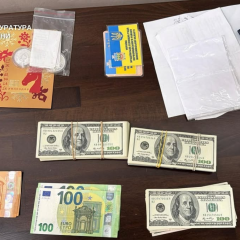
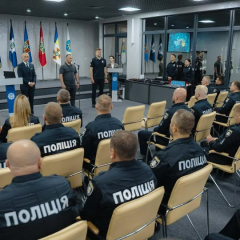
Law enforcement authorities have already blocked the fraudulent accounts and launched an investigation to identify everyone involved in this criminal scheme. Notably, police had previously detained other fraudsters who impersonated relatives of Andriy Yermak, the former head of the President's Office. That group was led by a man named Yermak D.S., who claimed to be a cousin and attempted to obtain $100,000 for 'securing a high-ranking position'.
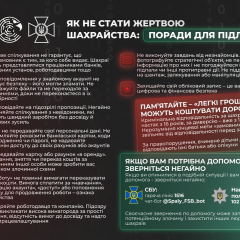
This case highlights the ongoing problem of fraud in Ukraine, particularly amid the active use of digital technologies and social networks. Criminals continue to devise new methods to deceive citizens, exploiting well-known names and mechanisms of trust to obtain money. Law enforcement agencies urge the public to remain vigilant and cautious during online communications, as fraudulent schemes are becoming increasingly sophisticated and difficult to detect.

Read also