Why China Remains Silent on the US-Iran Conflict Ahead of the Trump-Xi Summit

The Geopolitical Landscape Surrounding the US-China Summit
According to ХВИЛЯ: The rescheduled summit between US President Donald Trump and Chinese leader Xi Jinping, now set for May 14-15, unfolds against a complex geopolitical backdrop. Key aspects of this event include:
- China's notably restrained response to the conflict between the US, Israel, and Iran;
- Ongoing negotiations between delegations in Paris;
- China's economic motivations for reaching an agreement with the United States;
- The potential discussion of Taiwan's status under a model described as 'Hong Kong on steroids.'
Originally postponed from March to April, the summit was finally scheduled for mid-May. Even during active hostilities in the Middle East, American and Chinese delegations continued meeting in Paris to discuss details for the upcoming high-level encounter. It is also noteworthy that China's 2024 energy imports from the Persian Gulf are projected to exceed $400 billion, while its strategic petroleum reserves stand at approximately one billion barrels-enough to meet the country's needs for three months. This summit occurs at a pivotal moment, as global trade tensions and regional conflicts test the relationship between the world's two largest economies.
China's Strategic Interests
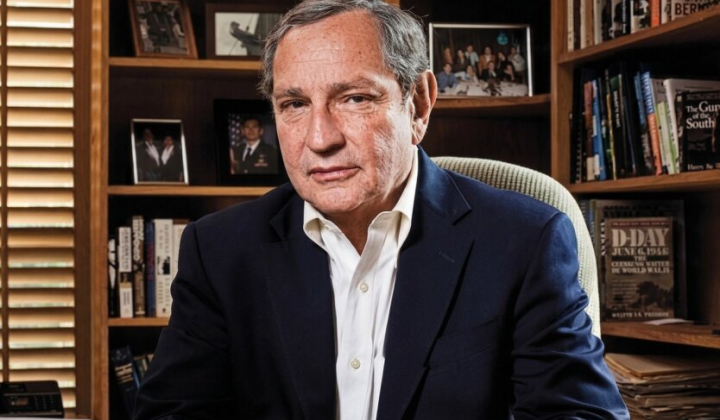
According to analyst George Friedman, China demonstrates restraint in its reaction to the war for several reasons. First, it cannot easily project military power over such a distance. Second, China requires an agreement with the US on economic issues to secure access to the American economy and its investments. Friedman also emphasizes that
“alliances must serve national interests”
-and in this context,
“China has no national interest in this situation-except for energy, which is, in a sense, in American hands.”
For China, the crucial factors are its capacity to manufacture goods using oil and its access to the world market, particularly the American market, which constitutes 25% of the global economy. Friedman notes that
“if you look at the choice facing China-the Chinese have clearly decided it is better not to antagonize the United States, even at the cost of losing some oil supplies.”
In this context, both sides have a strong interest in avoiding conflict, as it could lead to significant economic repercussions.
Taiwan, situated at the heart of this geopolitical scenario, poses a major military threat to China's access to the Pacific Ocean, which is vital for its global trade. Friedman points out that 'neutralization in this case differs from the Hong Kong situation,' because 'if China violates the agreements-we have tools that China will not like at all.' Among such tools is the potential to cut off Chinese exports to the United States.
In summary, the relationship between the US and China is critically important for both nations and the global economy as a whole. As Friedman states,
“The US and China, working together in any format, is half of the world's economy,”
creating a powerful mutual benefit. Should these states reach an understanding, it could alter the very foundation of the international system.
Thus, the postponement of the US-China summit reflects the broader context of global economic and political relations, where both countries are attempting to find compromise despite existing tensions. Successful negotiations could not only reduce the risk of conflict but also promote regional stability, which is important not only for both states but for the world economy overall. Developments surrounding Taiwan will also remain a focal point, as its status could significantly influence the future relations between these two major powers.
As tensions rise in the Middle East, the dynamics surrounding the upcoming summit take on added significance. The White House's recent denial of any delays in the meeting due to the Iran conflict underscores the delicate balancing act both nations must perform amid escalating geopolitical challenges.

Read also