U.S. Senate Debates Conflicting Russia Sanction Strategies: Tanker Seizures vs. Secondary Measures

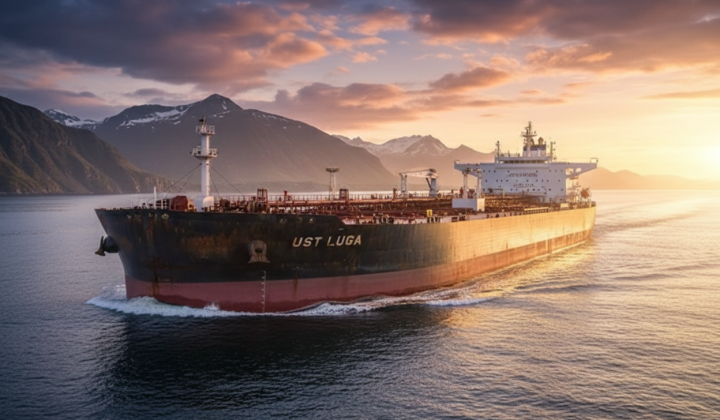
U.S. Senate Clash Over Russia Sanctions
According to Главком: A debate has erupted in the U.S. Senate over the best method to intensify sanctions pressure on Russia. Democratic Senator Jeanne Shaheen has proposed expanding the administration's authority to seize tankers from Russia's 'shadow fleet,' a measure that gained approval from the Senate Foreign Relations Committee by a vote of 20 to 2. The bill aims to enhance U.S. capabilities to detain Russian oil tankers used to circumvent existing sanctions.
However, Republican Senator Lindsey Graham has opposed Shaheen's initiative. He expressed concern that it could undermine support for his own bipartisan bill, which has been awaiting a presidential decision for several months. Graham's proposal focuses on imposing secondary sanctions and tariffs on nations that purchase cheap Russian oil and gas, a strategy designed to cut off a major revenue stream for the Kremlin's war effort.
'We believe this is a more effective mechanism than what is being proposed in the new version.' Jeanne Shaheen
In her statement, Jeanne Shaheen emphasized the critical need to target Russian revenue, which is heavily dependent on oil and gas exports. Lindsey Graham, in turn, voiced apprehension that Democrats might withdraw support for his bill, which would empower President Donald Trump to levy tariffs on countries supporting Putin's military actions through their energy purchases. This legislative friction highlights the complex political calculus in Washington regarding how to most effectively pressure Moscow.
Impact on International Relations
This Senate dispute unfolds as the U.S. presidential administration intensifies its efforts to resolve the conflict between Ukraine and Russia. Donald Trump recently directed his negotiation team to accelerate work toward ending hostilities in the region. The ongoing debate over sanctions policy remains tense, and the Senate's ultimate decisions could significantly impact international relations and global economic policy, potentially affecting allies and adversaries alike.
The clash underscores the multifaceted and often contentious nature of U.S. sanctions policy toward Russia. On one hand, there is a clear imperative to increase pressure on the Russian economy to diminish its capacity to finance military operations. On the other, partisan disagreements risk delaying decisive action, which could adversely affect U.S. strategic interests and the security of its allies in the region.

Read also