Ukrainian Philosopher Serhiy Datsiuk: Wartime Elections Would Have 'Zero Legitimacy'

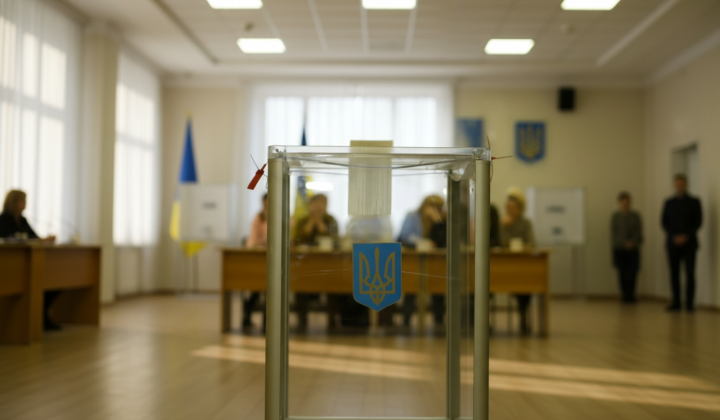
Serhiy Datsiuk's Stance on Holding Ukrainian Elections During War
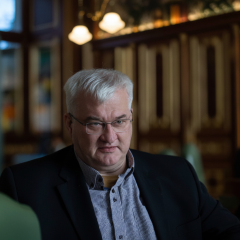
According to ХВИЛЯ: In an interview with Yuriy Romanenko, philosopher Serhiy Datsiuk argued that genuine elections are impossible to conduct in Ukraine while the war continues. Datsiuk contends that elections require a peaceful environment, as they depend on stable, transparent, and well-reasoned planning within a guaranteed security framework.
'Without this, elections are impossible,' the philosopher emphasized.
Datsiuk further distinguished between a mere vote and a legitimate election.
'You can hold a vote, but you cannot hold an election. To put it more bluntly for those who don't understand: let's say people vote-maybe not even 10 million, perhaps fewer. What will that give you? The legitimacy of such a vote would be zero,' he stated.
He believes that attempts to discuss elections under wartime conditions appear ridiculous and provoke rejection.
'The attempt to talk about elections within the reality of war now invites laughter and rejection,' Serhiy Datsiuk added.
'And it's intelligent people who are laughing, not fools.'
His position clearly indicates that organizing elections during a war is both impractical and unrealistic. The debate over elections touches on a core challenge for democracies under invasion: upholding governance without compromising security or legitimacy.
Reflections on the Legitimacy of the Electoral Process
Serhiy Datsiuk's expressed views reflect a broader societal concern about holding elections during an active conflict, as safety and stability are fundamental to any electoral process's legitimacy. In wartime, with the population facing immense daily challenges, the question of organizing elections remains on the agenda, though its implementation seems fraught and highly unlikely. This situation underscores the need for a more detailed discussion on alternative ways to ensure democratic processes in a country under extraordinary circumstances.

Read also