AI Triples the Number of Known Submarine Calderas, Scientists Report

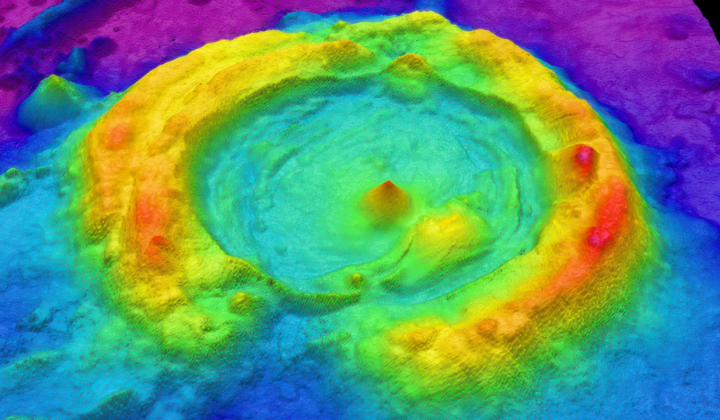
French Volcanologists Discover New Underwater Calderas
According to НВ — Техно: Using artificial intelligence, French volcanologists have identified 73 previously unknown underwater calderas-more than tripling the total number of such features on record. Their findings appear in the journal Communications Earth & Environment. This breakthrough marks a significant advance in understanding submarine volcanic activity and the hazards it may pose.
Calderas are crater-like depressions formed when a magma chamber empties and the ground above collapses. Before this study, fewer than 30 had been documented beneath the world's oceans. The importance of researching these structures was underscored by the 2022 eruption of the Hunga Tonga-Hunga Ha'apai submarine caldera, which generated atmospheric pressure waves that reached space, triggered tsunamis, and caused destruction thousands of kilometers away.
Technology and Discovery
Led by researcher Verolino, the team adapted an AI algorithm originally trained to detect impact craters on Mars. They applied it to bathymetric maps of the seafloor, initially flagging 87,435 candidate features. After a series of filters and manual checks, the list was narrowed to 78 likely calderas, five of which were already known as submarine calderas. This left 73 newly identified structures.
Among the new finds:
- eight located on mid-ocean ridges,
- nine in volcanic arcs,
- 61 in intraplate tectonic settings.
The researchers singled out seven calderas as high-priority targets for future study. As the scientists noted:
“This research lays a critically important foundation for assessing submarine volcanic hazards and improving global preparedness.”
These results highlight the value of leveraging cutting-edge tools like artificial intelligence in scientific research, opening new frontiers in the study of geological processes on our planet.
Discovering new submarine calderas is vital for understanding volcanic activity and its associated risks. Such features can produce eruptions that impact ecosystems, influence climate, and even threaten communities living near coastlines. This study not only expands our knowledge of geological processes but also underscores the need for enhanced monitoring of underwater volcanoes to help prevent potentially dangerous situations.
As researchers continue to leverage advanced technology in their explorations, the application of AI is proving transformative not only in identifying underwater calderas but also in enhancing safety measures. For instance, NASA drones are now capable of detecting underwater mines in shallow waters, showcasing the growing potential of artificial intelligence in environmental monitoring and disaster preparedness.

Read also