How Sparse Troop Formations and Drones Are Reshaping the Battlefield in Ukraine

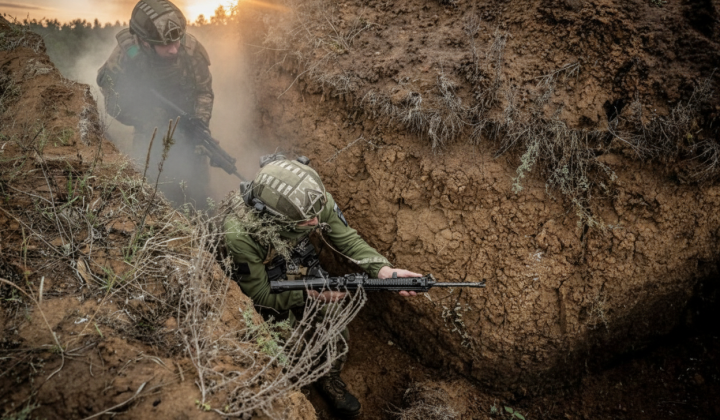
Shifts on the Ukrainian Front
According to ХВИЛЯ: Significant changes are occurring on the front lines in Ukraine, as detailed by Carnegie Endowment senior fellow Michael Kofman in a recent War on the Rocks podcast interview. The frontline has become discontinuous due to low troop density, with drones now playing a decisive role in combat. Kofman explained that Ukraine's troop density averages just over 15 personnel per kilometer, a stark contrast to the Eastern Front in World War II, which saw densities of roughly one thousand soldiers per kilometer. This modern conflict illustrates a dramatic shift from the massed infantry battles of the 20th century.
The Nature of the Current Battlefield
The front is now characterized by a significant thinning of military units. There are instances where just nine personnel are spread across three defensive positions spaced 250 meters apart. Under these conditions, Russian forces infiltrate in small groups of 6-8 soldiers, or sometimes even in pairs. Kofman noted that
"a significant portion of units are now drone crews, support, and logistics personnel."
The outcome of battles is increasingly determined by various types of drone units and supporting firepower.
Assessments of territorial changes also vary widely. The Ukrainian resource DeepState recorded approximately 160 square kilometers of Russian advance in March, while Finnish cartographers provided a figure of just 25 square kilometers of net gain. Kofman emphasized that
"the gray zone is so vast that three different organizations provide completely different numbers."
This discrepancy highlights the immense challenge of obtaining accurate battlefield intelligence in a war dominated by dispersed forces and contested information.
The situation in Ukraine demonstrates an evolution in modern warfare, where traditional combat methods are giving way to new technologies like drones. This indicates a shift in military strategy and the need for adaptation to new conditions. The sparse troop formations and the outsized role of drones suggest that combat is becoming increasingly technological, while controlling territory requires novel approaches. The differing assessments of territorial changes underscore the complexity of the situation and the critical need for reliable data to understand the conflict's true trajectory.
As the conflict continues to evolve, the frequency of engagements has surged, highlighting the ongoing intensity of military operations across various fronts. Recent reports indicate 148 clashes within a single day, underscoring the dynamic nature of the battlefield and the challenges both sides face in maintaining control and gathering accurate intelligence amid the chaos.

Read also