Six Nations Condemn Iran's Actions in the Strait of Hormuz, Raising Stakes for a Vital Trade Route

Joint Statement from Six World Powers
According to Главком: The leaders of six nations-the United Kingdom, France, Germany, Italy, the Netherlands, and Japan-have issued a joint statement condemning Iran's activities in the Strait of Hormuz. They accuse Iran of carrying out attacks on commercial vessels in the Persian Gulf, targeting civilian infrastructure, including oil and gas facilities. The leaders called on Iran to cease its threats, the laying of mines, and drone and missile attacks. They also emphasized the necessity of adhering to United Nations Security Council Resolution 2817. This coordinated diplomatic move highlights the international community's growing alarm over the security of a waterway crucial to global energy supplies.
Iran's Response and International Repercussions
In response, Iranian Foreign Minister Abbas Araghchi stated that the Strait of Hormuz remains open to most countries, but restrictions apply to vessels from the United States and Israel. The leaders of the six nations expressed their firm condemnation of Iran's recent attacks on unarmed commercial ships, stating,
"We firmly condemn Iran's recent attacks on unarmed commercial vessels in the Persian Gulf, assaults on civilian infrastructure, including oil and gas facilities, and the effective closure of the Strait of Hormuz by Iranian forces."
The leaders further called for the immediate implementation of a comprehensive moratorium on attacks against civilian infrastructure, particularly oil and gas assets. They expressed readiness to join relevant efforts aimed at guaranteeing safe passage through the strait, noting,
"We welcome the willingness of countries involved in prior planning."
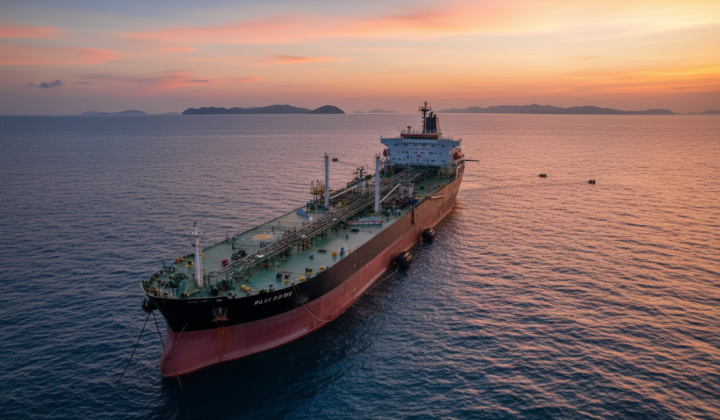
Separately, U.S. President Donald Trump announced the potential deployment of warships to the Strait of Hormuz. The European Union has also intensified discussions on new strategies to protect this critical route, which is essential for global oil and gas exports. The Strait of Hormuz is a narrow chokepoint through which about one-fifth of the world's seaborne oil passes, making its security a matter of global economic concern.
The situation in the Strait of Hormuz remains tense, as the region is strategically vital for international trade, especially the supply of energy resources. The joint statement from the six leaders underscores global apprehension regarding maritime security and the potential economic repercussions of an escalating conflict. Future actions by the U.S. and the EU could significantly influence developments in the region, particularly the relationship between Iran and Western nations.
As tensions escalate in the region, the situation in the Strait of Hormuz continues to draw international attention. In a related development, the U.S. has intensified its military response against Iran, highlighting the precarious balance of power in this vital trade route. The implications of these actions could further complicate diplomatic efforts and affect global energy markets.

Read also