Fruit Peels, Cores, and Trimmings Contain Twice as Much Fiber as Flesh, Study Finds

The Health Benefits of Eating Fruit and Vegetable Skins
According to НВ — Техно: New research reveals that the peels, cores, and trimmings of fruits and vegetables hold significantly more dietary fiber than the edible flesh. This discovery could help boost fiber intake and reduce food waste-an especially pressing issue in the UK, where only 4% of adults meet the recommended daily fiber intake of 30 grams. Meanwhile, the country discards around 10 million tonnes of food annually, with fresh fruits and vegetables accounting for 36% of this waste.
Key Findings from the Study
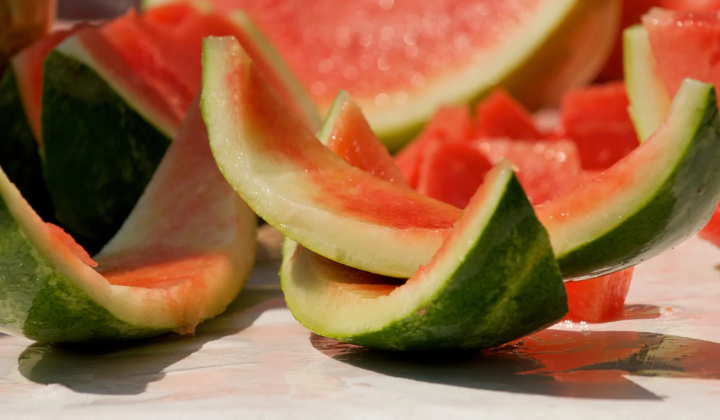
The study analyzed 12 popular fruits and vegetables, including pineapple, watermelon, butternut squash, broccoli, and bell peppers. Remarkably, pineapple peels and cores contain 453% more fiber compared to its flesh. To match the fiber found in these parts, one would need to eat five servings of pineapple flesh. Butternut squash skin and seeds provide 9.25 grams of fiber per 100 grams, nearly a third of the daily fiber recommendation. Similarly, watermelon rind offers 2.10 grams of fiber per 100 grams-comparable to a slice of whole-grain bread.
Consuming adequate fiber regularly supports digestive health and lowers the risk of cardiovascular disease, type 2 diabetes, and certain cancers. However, researchers caution that eating peels may carry risks due to possible pesticide residues, heavy metals, and natural toxins, highlighting the need for further investigation.
“This isn’t about forcing people to eat raw seeds or tough squash skins. It’s an opportunity to increase fiber intake by making better use of parts of produce we usually discard,”
- Balgit Baika
“We’re not encouraging people to choke down unpleasant foods. Rather, we want to highlight the real nutritional value of what’s often considered waste,”
- Peter Gibson
This research underscores the importance of rethinking how we use fruits and vegetables to cut down on food waste and enhance nutrition on a broader scale.
The findings could play a crucial role in addressing the UK’s significant food waste problem. Increasing fiber consumption also promises to improve public health by reducing the prevalence of chronic diseases. Moreover, the study invites reflection on food system sustainability and how existing resources can be better leveraged to improve dietary quality worldwide.
As we explore the nutritional advantages of utilizing often-overlooked parts of fruits and vegetables, it's essential to consider how our eating habits can impact overall health. For instance, research indicates that late-night snacking may significantly increase the risk of liver disease, highlighting the importance of food timing and choices. Understanding the links between dietary practices and health outcomes can aid in making informed decisions about what we consume. To learn more about the implications of late-night eating, read about the recent findings from Oregon here.

Read also