War as a video game: A soldier warns of the psychological toll on drone operators

Concerns over how drone warfare affects operators’ mental health
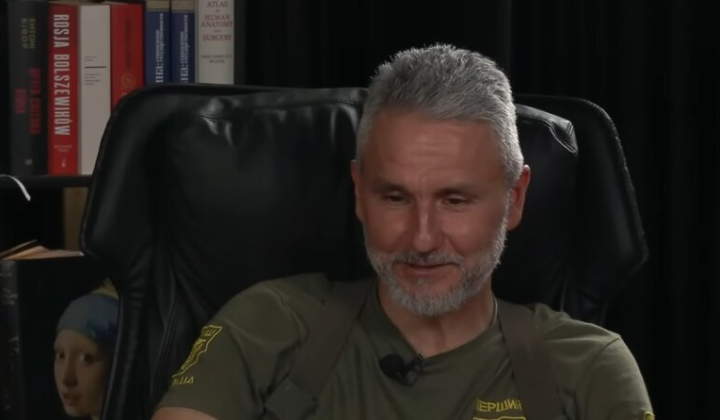
According to ХВИЛЯ: During a broadcast with Yuriy Romanenko, serviceman Hennadii Druzenko voiced serious concerns about the psychological impact of remote combat conducted via unmanned aerial vehicles (UAVs). He described how the process reduces enemy elimination to a routine on-screen task, a shift that could have profound consequences for Ukrainian society-especially when veterans attempt to reintegrate into civilian life.
Druzenko emphasized that operating drones removes the physical sensation of firing a weapon, which gradually distorts the psyche of soldiers after extended periods of what he called “gameplay.” “I’ve spoken with many guys who have served in very different roles,” he noted, highlighting the wide range of experiences among military personnel. For many, the war has become little more than watching pixels move and fiery objects appear on a monitor-an alarming trend, in his view.
The urgent need for veteran support
Druzenko also stated that he takes no pleasure in the process, viewing it as a necessary but grim task of annihilating enemy resources. Furthermore, he warned that current veteran policies may be effective only in quotation marks. This underscores the critical need for a serious approach to supporting veterans and helping them transition to peacetime life after the conflict ends.
His warnings reflect not only the personal struggles of individual soldiers but also potential systemic issues arising from the use of advanced technology in warfare. The psychological consequences of remote combat demand attention from both the state and society, as veteran reintegration is a vital component of post-war recovery. This issue is especially pressing given the urgent need for effective support and rehabilitation programs for those returning from the front lines.
The challenges faced by soldiers extend beyond the battlefield, highlighting the need for modern approaches to military training. This is particularly relevant in light of recent criticisms of outdated methods, as current training practices may not adequately prepare troops for the complexities of contemporary warfare. Understanding these systemic issues is crucial for addressing the psychological toll on veterans and ensuring their successful reintegration into society.

Read also