Deadly H5N1 Bird Flu Reaches Australia’s Shores

Highly Pathogenic Avian Influenza H5N1 Detected in Australia
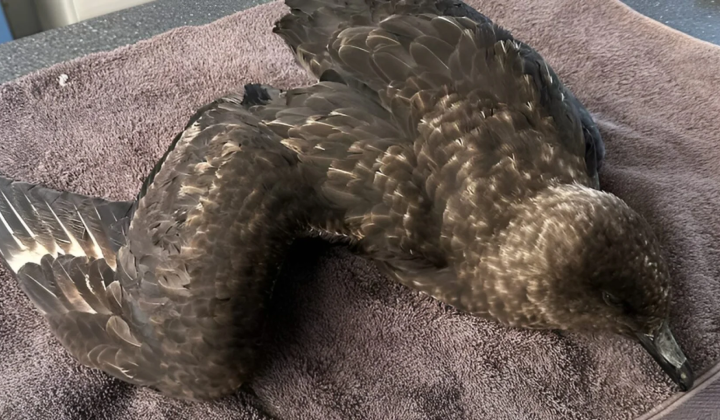
According to НВ — Техно: On June 23, 2025, Australia confirmed the presence of the highly pathogenic H5N1 avian influenza virus, clade 2.3.4.4b, in a brown skua and a giant petrel. Researchers believe the virus likely traveled from South America via migratory routes across the Southern Ocean. This particular H5N1 strain has been circulating in South America since 2023 and has already caused devastating losses, killing millions of wild animals and birds across the United States, Europe, and South America.
Threat to Wildlife
The detected HPAI H5N1 clade 2.3.4.4b variant poses a serious threat to wildlife, especially endemic species. Birds considered most vulnerable include:
- boobies
- terns
- albatrosses
Tasmanian devils and other scavengers may also be at risk. The virus spreads through close contact with infected animals or contaminated environments. However, the current risk to humans remains low.
To date, the H5N1 virus has not been found on Australian poultry farms or dairy operations. Nonetheless, poultry producers are required to follow enhanced biosecurity measures. Since 2024, Australia has had a national task force coordinating responses to the virus detection. For guidance and real-time updates, an animal health emergency hotline has been set up at 1800 675 888.
Notably, H5N1 has already spread to dairy cattle, seals, and sea lions elsewhere, underscoring the need for stronger biosecurity at all levels. Australia’s health department and veterinary services continue to monitor the situation and take necessary steps to protect the country’s wildlife.
“The detection of the H5N1 strain in Australia highlights the global nature of the problem, as the virus has already caused severe losses in many regions worldwide.” - Source unknown.
Australian authorities are ramping up safety measures to prevent further spread of the virus. Ongoing surveillance and monitoring of both wild and domestic animals remain top priorities to preserve ecological balance and public health.
The emergence of the H5N1 strain in Australia raises concerns about its impact on local wildlife, especially following reports of significant wildlife casualties on remote islands. To understand the broader implications of this outbreak and the ongoing threats to various species, you can read more about how the H5 bird flu has devastated animal populations in isolated areas.

Read also