A World Without Nuclear Arms Limits: The End of New START and the Risk of a New Arms Race

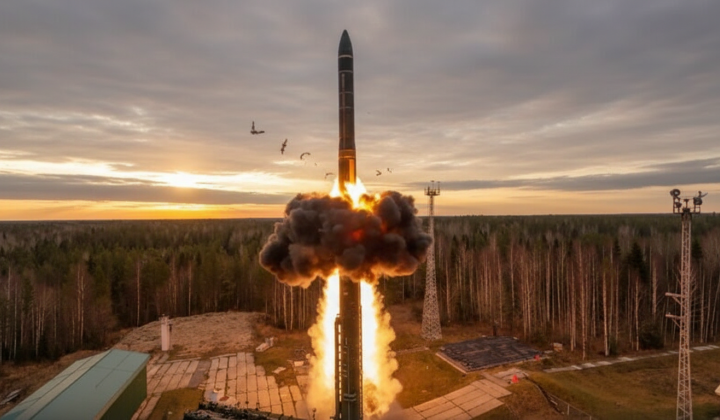
The New START Treaty Has Expired
According to ХВИЛЯ: The New Strategic Arms Reduction Treaty (New START) between the United States and Russia officially lapsed on February 5, 2026, following a failure by both parties to agree on its extension. The collapse of this key arms control pact is primarily attributed to Russia's refusal to allow on-site inspections and the U.S. insistence on including China in a future agreement. This development leaves the world's two largest nuclear powers without legally binding limits on their arsenals for the first time in decades, raising the specter of a renewed and destabilizing arms race.
Originally signed in 2010 and extended for five years in 2021, the New START treaty imposed strict caps on strategic nuclear delivery systems:
- No more than 800 deployed and non-deployed launchers,
- Of which a maximum of 700 could be deployed,
- And a limit of 1,550 deployed nuclear warheads.
However, in the fall of 2025, Russian President Vladimir Putin proposed a one-year extension of the numerical limits while refusing to reinstate verification inspections. Russia had already barred U.S. inspectors from its sites in August 2022 and formally suspended its participation in the treaty in 2023.
Consequences and Emerging Challenges
In response to this new strategic landscape, the Pentagon has requested approximately $60 billion for the 2026 fiscal year to modernize the U.S. nuclear triad-a long-term overhaul projected to cost nearly one trillion dollars over the coming decades. Analysts note that the Kremlin has been investing in advanced weapons systems not covered by New START, such as the 'Poseidon' nuclear torpedo, the nuclear-powered 'Burevestnik' cruise missile, and the 'Oreshnik' ballistic missile. In a related move, former President Donald Trump has announced a new missile defense initiative dubbed 'Golden Dome.'
Commenting on the situation, analyst Maksym Starchak warns that arms control has been reset to zero. He predicts a near-term increase in both nuclear weapons and strategic systems overall, a trend he believes will continue until there is a change in the decision-making elites within the nuclear powers.
The expiration of New START marks a pivotal and dangerous shift in global security. Without active arms control agreements, nations are free to expand their military capabilities without constraint, likely escalating tensions between the U.S., Russia, and other major powers like China. This unchecked environment increases the risk of military miscalculation and conflict, underscoring the critical importance of international treaties for maintaining global stability and preventing a return to Cold War-era nuclear brinkmanship.

Read also