Understanding and Calculating Employee Attrition Rate: A Key Metric for Business Stability

The Critical Role of Human Resource Management
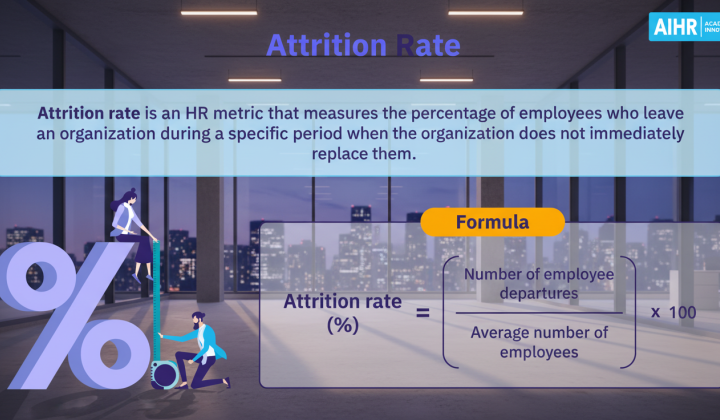
According to AIHR: Effective human resource management is a cornerstone of any successful organization, and a key metric in this field is the employee attrition rate. This figure measures the proportion of staff who leave a company over a specific period, directly impacting overall business efficiency and stability. For context, in the competitive U.S. labor market of December 2023, approximately 3.2 million workers voluntarily left their jobs, with the national quits rate reaching 2.0%.
It's important to distinguish attrition rate from overall turnover rate, as the latter typically includes both voluntary and involuntary departures. Employee attrition itself can be categorized into several distinct types:
- Voluntary attrition
- Involuntary attrition
- Retirement attrition
- Internal attrition (e.g., transfers)
- Demographic or functional attrition
Understanding these categories enables companies to better analyze the root causes of staff departure and implement targeted strategies.
How to Calculate Your Attrition Rate
Calculating the attrition rate involves a clear, multi-step process. First, define the specific time period for your analysis. Next, count the total number of employees who departed during that period. Then, calculate the average number of employees on staff. Finally, apply the standard formula:
Attrition Rate = (Number of Employee Departures / Average Number of Employees) x 100
For example, a company starting the year with 200 employees that sees 30 departures by year-end would have an average headcount of 185, resulting in an attrition rate of 16.2%.
Thorough analysis of attrition data is vital for HR professionals. A robust approach includes:
- Verifying data definitions and accuracy
- Segmenting attrition by categories (e.g., department, tenure)
- Identifying patterns and trends over time
- Adding context with supporting metrics and feedback
- Synthesizing findings to prioritize actionable steps
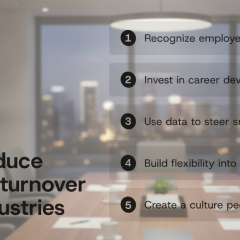
To effectively reduce attrition, HR teams can focus on several strategic areas:
- Pinpointing departments or roles with concentrated turnover
- Differentiating between planned ('managed') and undesirable attrition
- Enhancing the quality and support provided by managers
- Streamlining career development and internal mobility paths
- Conducting regular compensation and benefits reviews
- Improving the onboarding and integration process for new hires
In summary, the employee attrition rate is a critical indicator for human capital management. Mastering its calculation and analysis empowers companies to take proactive measures to lower this rate, which in turn strengthens organizational resilience and operational effectiveness.
As a vital gauge of organizational health, attrition significantly influences company culture and long-term productivity. In today's dynamic job market, businesses must continually refine their talent strategies to retain key skills and ensure stability. Proactively managing and reducing attrition can be a major competitive advantage, as a stable, experienced workforce fosters better collaboration and sustained business growth.

Read also