Gobi Desert Solar Farms Cut Dust Pollution in Northern China by 14%

Beyond Clean Energy: Chinese Researchers Discover New Environmental Benefits of Solar Farms
According to НВ — Техно: Published on: September 25, 23:02
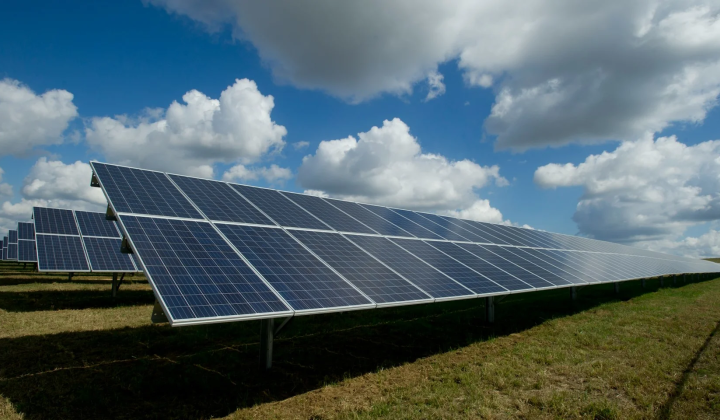
A recent study led by Yueting Hao from Nanjing University reveals that solar power installations in the Gobi Desert are doing more than just generating renewable energy-they are actively improving regional air quality. By slowing down wind speeds and stabilizing soil, these solar panels reduce dust pollution in northern China by up to 14%. The findings, published in Geophysical Research Letters, are based on satellite observations and advanced computer simulations.
Each year, dust storms from the Gobi Desert release billions of metric tons of fine particles, posing serious environmental and health challenges. Dust contributes significantly to air pollution in China, rising from 55% of particulate matter in 2013 to 65% in 2023. However, existing solar farms around the desert help cut dust emissions during spring by approximately 352,400 metric tons monthly.
Solar Panels Transforming the Local Ecosystem
These solar arrays also enhance the ecosystem by boosting spring vegetation cover by around 17% and reducing soil erosion by the same margin. The panels create surface roughness that lowers wind speeds near the ground, curbing dust uplift. Projections suggest that expanding solar farm areas elevenfold by 2060 could further decrease dust emissions by 12% and reduce wind-driven dust transport by 21%.
With China’s goal to reach carbon neutrality by 2060, increasing solar capacity-especially in arid and desert zones-is a key strategy. This expansion is expected to lower the average concentration of fine particulate matter (PM10) in northern China’s spring air by roughly 14%. The research highlights solar farms’ dual role in producing clean energy and serving as natural dust barriers.
These insights emphasize the broader environmental value of renewable energy investments, showing they can simultaneously tackle greenhouse gas emissions and improve air quality in dust-prone regions. Amid mounting climate challenges, integrating technology with ecosystem management offers a promising path toward sustainable development and resource preservation. As demand for clean power grows worldwide, this study illustrates how solar technology can support both energy security and ecological resilience.

Read also