When Will the Special Tribunal for Russian Aggression Begin, and Who Will Face Trial First?

Establishing the Special Tribunal
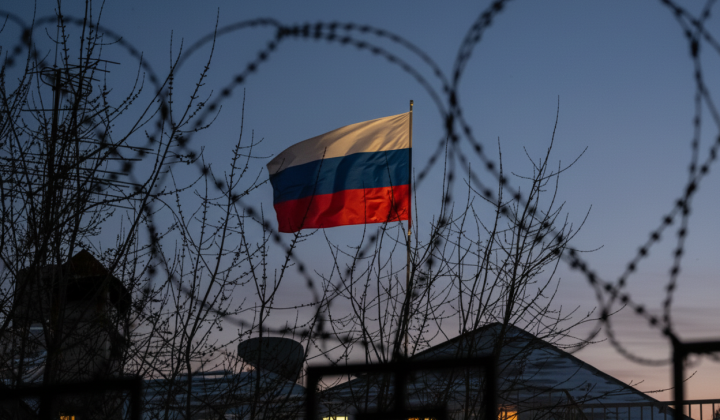
According to Главком: Preparations to establish a Special Tribunal for the crime of aggression committed by the Russian Federation are scheduled for completion by the end of 2026. This tribunal will serve as an international mechanism to hold Russia's top political and military leadership accountable. It is crucial to understand that the International Criminal Court lacks the full jurisdiction to prosecute the crime of aggression against Ukraine. This will be the first tribunal of its kind since the post-World War II trials in Nuremberg and Tokyo, making it only the third such court in history.
Launch and Operational Phases
The tribunal is now moving from a political decision to a practical launch. Twenty nations have already signaled their intent to join the process. The initial group of participating states includes:
- Austria
- United Kingdom
- Iceland
- Spain
- Estonia
- Costa Rica
- Latvia
- Lithuania
- Luxembourg
- Moldova
- Germany
- Netherlands
- Norway
- Slovenia
- Poland
- Portugal
- France
- Croatia
- Sweden
- Ukraine
Poland and Iceland have already formally acceded to the agreement necessary to launch the tribunal.
Ukraine hopes the Special Tribunal can become fully operational as early as next year. Its launch is structured in two distinct phases. The first is a transitional phase, during which the institution's 'framework' will be established in The Hague. This stage involves selecting 15 judges for the roster, appointing a registrar, gradually hiring core staff, finalizing procedural rules, negotiating international cooperation agreements, and creating administrative and technical infrastructure. It is important to note that the tribunal will not yet administer justice during this phase.
The second phase marks the tribunal's full operational status. Once preparatory work is complete, the institution will begin exercising its jurisdiction, which includes investigating, issuing indictments, conducting trials, and delivering verdicts for the crime of aggression.
As noted by the President's Office, 'The International Criminal Court cannot fully prosecute the crime of aggression against Ukraine. Therefore, a separate Special Tribunal is needed to close this gap in international law.'
The launch of the Special Tribunal represents a significant step in combating impunity for international crimes, specifically the crime of aggression, and could set a precedent for other international courts. In the context of the ongoing conflict, this mechanism aims to provide the necessary legal foundation for holding perpetrators accountable for violations of international law. Given the limitations of the International Criminal Court in this area, the creation of a dedicated tribunal could substantially influence the development of the international legal system and the effectiveness of global justice mechanisms. The crime of aggression, which involves the illegal use of force by a state, is considered a 'leadership crime' targeting those who plan and initiate war.
As preparations for the tribunal advance, it's essential to recognize the key contributions from various nations. Notably, Poland and Iceland have played a pivotal role in solidifying the necessary support from a minimum number of countries, ensuring that the tribunal can move forward effectively and hold those responsible accountable for their actions.

Read also