What Must Happen Before Ukraine and Russia Can Negotiate, According to Spiegel

Ukraine’s Tactical Gains Under the Microscope
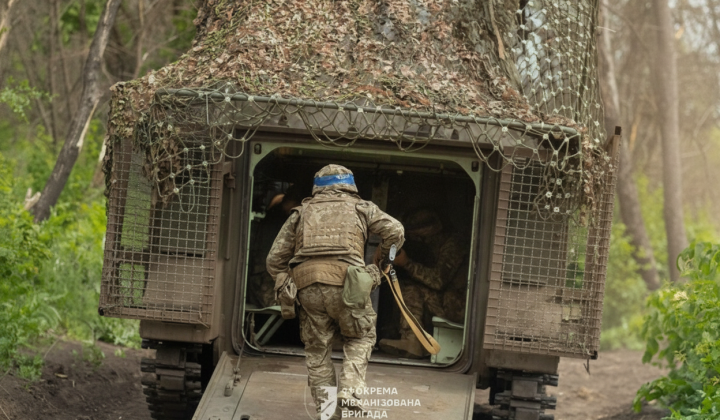
According to Главком: In a detailed analysis for Spiegel, analysts Claudia Major and Christian Mölling examine Ukraine’s recent tactical achievements in its war with Russia, with a particular focus on strikes against Russian oil infrastructure and the ongoing debate over potential peace talks. They note that while Ukraine has managed short-term defensive successes, the conflict remains a war of attrition. The country lacks the armored vehicles, combat engineers, and reserve forces needed to launch a successful offensive or achieve a rapid breakthrough.
As part of its broader strategy, Kyiv has been targeting Russia’s oil infrastructure to build psychological pressure on Moscow. Among pro-Putin circles in the Russian capital, there is growing unease about the war’s trajectory. Some within the Russian establishment now believe that Moscow will not achieve its original military objectives. Others, however, are calling for a pause in hostilities simply to regroup and prepare for fresh attacks.
The analysts argue that while Russia is losing the initiative, that does not mean Ukraine has gained it. Ukrainian forces currently lack the resources needed for a swift breakthrough. Meanwhile, calls for negotiations are growing louder in the West-often from voices that previously opposed military aid to Ukraine. There are no credible signs, however, that Moscow is ready to negotiate. For any meaningful talks to take place, the analysts say, the West must ramp up support for Ukraine. Moscow may still believe that Ukraine’s successes are only temporary.
The State of Negotiations
U.S. President Donald Trump has suggested that Volodymyr Zelenskyy and Vladimir Putin should work out a deal on their own, adding that a resolution to the conflict is drawing closer. Trump also stressed the importance of American aid for Ukraine’s survival. Responding to an open letter Zelenskyy addressed to Putin on June 4, Putin said he had reviewed the proposal but criticized the decision to make it public. He noted that he had not ruled out a face-to-face meeting but saw no point in one at this time. Zelenskyy, in turn, called Putin’s response weak and urged the international community to intensify pressure on Russia by cutting off its financial resources.
In his letter, Zelenskyy proposed a personal meeting in a neutral country, a ceasefire for the duration of talks, and a large-scale prisoner exchange on an 'all-for-all' basis. Spiegel’s experts stress that anyone hoping for successful negotiations must recognize that they are only possible from a position of strength-built on Ukraine’s own capabilities and continued Western support. They also warn that pushing for negotiations as a substitute for fighting has always been a flawed strategy and will remain so.
'If you move, you are seen. If you are seen, you are targeted. That makes attackers more vulnerable than defenders.' - Analysis by Spiegel experts
Ukraine holds defensive advantages, including prepared positions, drones, artillery, protected logistics, solid intelligence, and familiarity with the terrain. But for a successful offensive, it would need armored strength, combat engineers, and reserves. Ukraine must remember that if it cannot keep fighting, the chances of successful negotiations will shrink.
The current situation in Ukraine and Russia is complex and fluid, with strategic decisions and military operations deeply intertwined. Ukraine’s defensive successes show its ability to resist aggression, but shifting to an offensive posture will require stronger resources and more support from international partners. The growing discussion around negotiations suggests the conflict may be approaching a stage where diplomatic solutions become necessary-though it remains unclear if Moscow is ready for that. Moving forward, Ukraine and its allies will need to make carefully calibrated decisions and develop a strategy that ensures stability in the region.
As the situation evolves, recent comments from Lavrov suggest a potential shift in Russia's stance towards negotiations, which could impact Ukraine's strategic calculations. Understanding these developments is crucial for grasping the full scope of the conflict and the prospects for peace talks.

Read also