For 95% of Bird Enthusiasts, Feeding and Watching Birds Is a Mental Health Boost

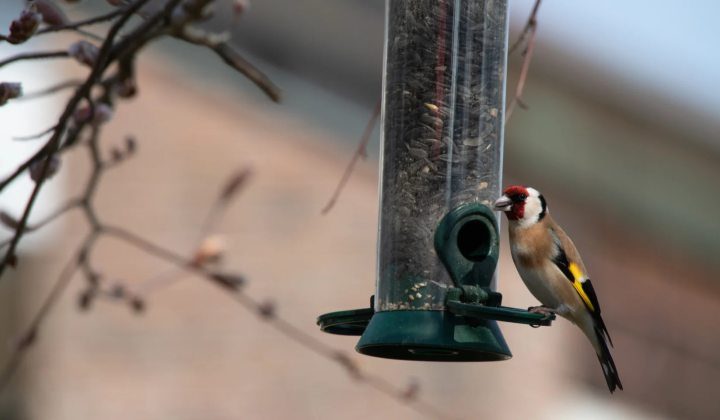
Look Out the Window: A Simple Wild-Bird Habit Lifts Spirits
According to НВ — Техно: A September 5 report from the community-science initiative Project FeederWatch highlights a striking pattern: 95% of participants who responded to the survey said that observing birds at feeders had a positive effect on their mental health. Over a six-month winter season, these volunteers described feelings of joy, hope, and gratitude, especially during periods of illness or personal hardship. The daily routine of tending feeders also sparked curiosity, kept their attention focused, and gave them a sense that they were personally helping to protect wild birds.
With more than 56 million adults in the United States regularly purchasing seed for bird feeders, the findings offer a practical way to connect with nature. Kelly Langhans, the project leader, noted:
Feeding and watching birds is a genuinely meaningful way to bond with the natural world, and people clearly experience these mood-lifting benefits. - Kelly Langhans
The study also warns that feeders can carry risks if not managed responsibly. Unwashed plastic feeders, for instance, may spread infections, draw predators, or lead to fatal collisions with glass windows. Professor Ashley Dayer said:
We are aware of those dangers. But ornithologists should not simply tell people to stop feeding birds; instead, we need to teach them how to do it safely. - Ashley Dayer
How to Feed Birds Without Putting Them at Risk
Responsible bird feeding requires only a few simple precautions:
- Wash feeders with soap on a regular basis.
- Keep pet cats inside the home.
- Put decals or protective stickers on windows.
These ordinary steps can lower the risks to birds while still allowing people to gain the mental-health benefits that come from watching them.
The research reinforces how powerful even brief contact with wildlife can be in a stressed, modern world. By pairing conservation with personal wellbeing, Project FeederWatch also demonstrates why nature-based activities deserve a place in broader strategies for supporting public mental health.
Understanding wildlife interactions with human presence is crucial, especially in areas where bird feeding occurs. For instance, even in national parks, animal behavior changes when people are nearby. This highlights the importance of responsible practices in bird feeding to ensure both mental health benefits and the safety of our feathered friends.

Read also