U.S. Grants Entry to Russian Oil Tanker Bound for Cuba

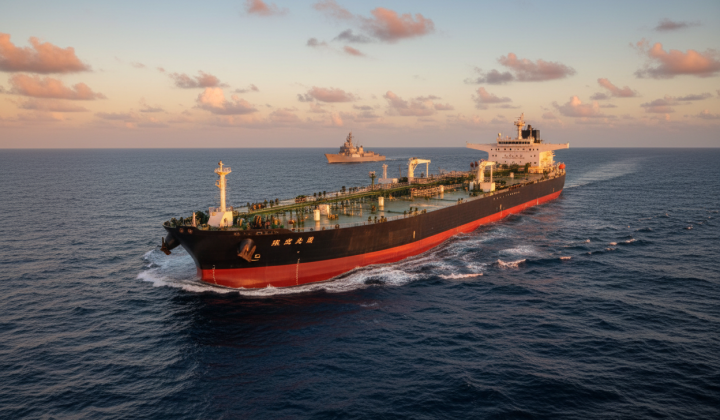
Russian Tanker Arrives Near Cuban Waters
According to Главком: The U.S. Coast Guard has permitted a Russian government-owned tanker, carrying approximately 730,000 barrels of crude oil, to proceed toward Cuba. The vessel is currently positioned a few miles from Cuban territorial waters, with its destination being the port of Matanzas. This decision comes amid heightened scrutiny of global energy shipments.
Shifting U.S. Policy and Global Oil Market Dynamics
This development coincides with rising global oil prices, as Brent crude on the London ICE exchange has surpassed $115 per barrel, reaching approximately $115.70. Concurrently, the U.S. Treasury Department has eased sanctions on Venezuelan oil by issuing a temporary license that permits the sale of Russian oil and petroleum products already at sea on tankers. This license is valid until April 11th. The global energy market remains volatile due to ongoing geopolitical tensions.
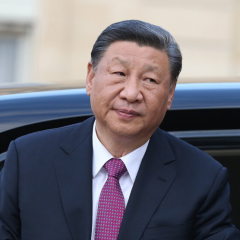
U.S. President Donald Trump expressed willingness to allow oil shipments to Cuba, stating: 'We don't mind if somebody gets a load of oil because they need it-they have to survive. I told them if any country wants to send oil to Cuba right now, I have no problem with it. It doesn't matter if it's Russia or not.'
These events signal a shift in U.S. policy regarding Russian energy resources and highlight new challenges within the international oil market.
The authorization for the tanker's arrival underscores the deepening economic ties between Russia and Cuba, particularly amidst global energy market realignments. The U.S. stance, involving a relaxation of certain sanctions, may reflect an attempt to balance economic interests with political pressures. This move could also influence other nations seeking alternative energy sources in light of escalating oil prices.
The recent decision to allow a Russian oil tanker to approach Cuba highlights the evolving dynamics of energy shipments, especially in light of the impact of U.S. fuel restrictions on Russian vessels. As the international oil market faces increasing pressures, understanding these shifts is crucial for grasping the broader implications for global energy security.

Read also