Marco Rubio Suggests U.S. May Reassess Its NATO Ties Over Allied Support

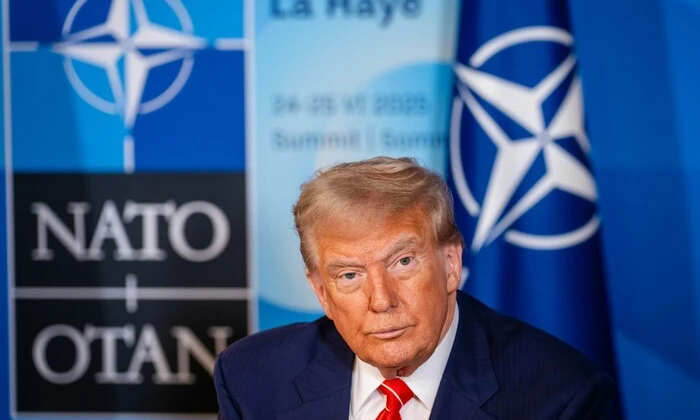
U.S. Considers Reassessing NATO Relationship
According to Главком: U.S. Secretary of State Marco Rubio has indicated that Washington might reevaluate its relationship with NATO following the conclusion of the war against Iran. This statement was made during an interview with Al Jazeera, where Rubio expressed dissatisfaction with the stance of allies regarding security in the Strait of Hormuz. U.S. President Donald Trump also weighed in, warning NATO of a potential 'bad future' due to allies refusing to provide assistance. This comes amid long-standing U.S. calls for NATO members to contribute more to collective defense efforts.
Marco Rubio noted: 'The President and our country will have to review all of this after the operation concludes. If NATO is only about us defending Europe, but we are denied basing rights when it's necessary, that's not a very good arrangement. It's difficult to remain a member of the alliance under such circumstances.'
Marco Rubio
These remarks underscore U.S. concerns about NATO's role in contemporary global conflicts, particularly in the context of military operations in the Middle East.
The Strategic Significance of the Strait of Hormuz
Furthermore, Donald Trump emphasized the critical importance of the Strait of Hormuz, a vital chokepoint for global oil shipments. He stated: 'It is entirely appropriate that the people who are beneficiaries of the strait help make sure nothing bad happens there.'
Thus, both senior officials point to the necessity of a more active stance from allies on security matters, which could impact future U.S. relations with NATO.
This situation highlights growing tensions between the U.S. and its NATO allies, specifically regarding military conflicts in the Middle East. The U.S. position, demanding greater support from partners, could alter the alliance's dynamics, especially if regional events continue to escalate. Given the Strait of Hormuz's strategic importance to the global economy, subsequent U.S. actions could have serious implications for international politics and security.
These developments raise questions about the effectiveness of NATO in ensuring security in critical regions like the Gulf. As both Rubio and Trump highlight the need for more robust support from allies, it becomes increasingly important to examine NATO's role in safeguarding strategic chokepoints, especially in light of recent tensions in the Middle East.

Read also