Rocket Shortage Leaves the United States Unprepared for War with China

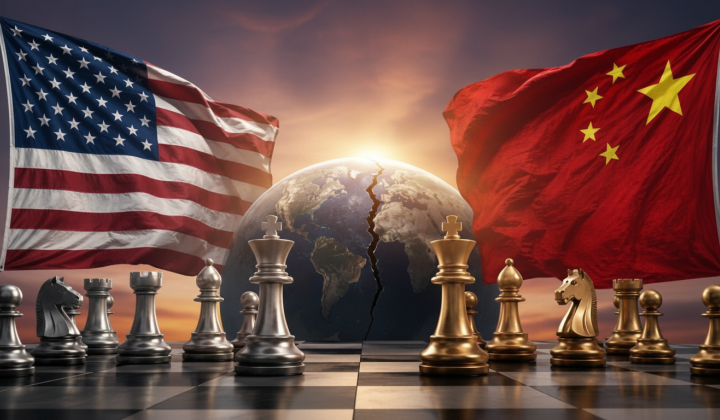
Analytical Brief from the Center for Strategic and International Studies
According to ХВИЛЯ: A research brief released on May 12, 2026, by the Center for Strategic and International Studies (CSIS) warns that the United States is not ready for a prolonged conflict with China over Taiwan, primarily due to a severe shortage of weaponry. This vulnerability is made worse by the aftermath of the war with Iran, which depleted U.S. stockpiles of long-range missiles, air defense systems, and unmanned platforms.
According to assessments, the U.S. consumed over half of its THAAD, SM-3, and Patriot interceptor reserves in 2026. During Operation Epic Fury against Iran, American forces launched thousands of missiles and drones, significantly reducing inventories of Tomahawk, JASSM, and other systems. For context, the U.S. Army operates only eight THAAD batteries, and manufacturing new missiles takes three to four years, while expanding production facilities would require an additional 18 to 24 months of investment.
Key Challenges Facing the United States
One major issue is a $32 billion backlog in contracted deliveries to Taiwan. This includes:
- coastal Harpoon anti-ship missile systems,
- NASAMS air defense units,
- PAC-3 MSE interceptors,
- Altius drones.
War games indicate that within the first week of hostilities, the U.S. could exhaust its supply of certain long-range missiles, while Taiwan would deplete its entire inventory of anti-ship cruise missiles.
Projections suggest that during combat, the U.S. might fire between 3,000 and 5,000 JASSM missiles, 450 to 1,000 LRASM missiles, and 400 to 1,000 Tomahawk missiles. Admiral Samuel Paparo, commander of U.S. Indo-Pacific Command, emphasized the role of unmanned platforms in defending Taiwan, stating:
“I want to turn the Taiwan Strait into an unmanned hell, using a range of secret capabilities.”
Adding to these concerns, American bases in Japan, the Philippines, and Guam remain vulnerable to Chinese missiles and drones. As brief author Seth Jones noted:
“If the United States does not act quickly this time, it will have to learn this lesson the hard way-in a war with China in the Indo-Pacific region.”
These factors highlight the complexity of the situation and the significant hurdles facing U.S. defense strategy in the region.
The situation surrounding Taiwan and the threat from China have drawn heightened attention from the international community. America's lack of preparedness for a potential conflict, compounded by substantial military expenditures on other fronts, raises doubts about its ability to maintain stability in the area. Amid growing tensions, developing strategies that enable the U.S. to effectively address emerging security challenges remains a critical priority.
The challenges faced by the United States in securing its defense capabilities are not unique. Similar issues are emerging in the context of weapon delivery delays for Ukraine, where allies have been alerted to potential setbacks in military support. Understanding these interconnected geopolitical dynamics is crucial as tensions escalate in various regions.

Read also