Trump Administration Declares End of US-Iran Conflict, Bypassing Congressional Deadline

US-Iran Armed Conflict Officially Concluded
According to Главком: The White House has informed Congress that the United States is no longer engaged in an armed conflict with Iran. This move effectively sidesteps the May 1 deadline stipulated by the 1973 War Powers Resolution, which requires the president to secure congressional approval for any military engagement lasting beyond 60 days. For context, this law was enacted to prevent prolonged military actions without legislative consent. Active hostilities between the two nations ran from February 28, 2026, to April 7, 2026, with no further combat reported between the parties since that date.
Notably, the conflict carried a heavy financial toll for American taxpayers, totaling at least $25 billion-equivalent to NASA's entire annual budget. Meanwhile, Iran has handed Pakistan a fresh negotiation proposal for talks with the United States. The document was delivered to Pakistani officials on the evening of April 30. Pakistan continues to serve as a mediator in these discussions.
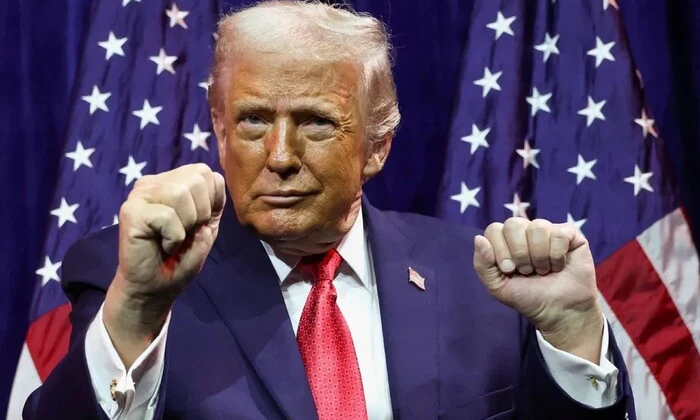
President Donald Trump addressed the situation, stating: 'Since April 7, 2026, there have been no combat engagements between the United States and Iran. The military operations that began on February 28, 2026, have ceased.'
The president further emphasized that 'despite the success of US operations against the Iranian regime and ongoing efforts to secure a lasting peace, the threat posed by Iran to the United States and our Armed Forces remains significant.'
Diplomatic Prospects Ahead
The formal end of hostilities between the US and Iran, along with the official acknowledgment of the ceasefire, opens fresh avenues for regional diplomatic initiatives. The Pakistan-brokered negotiations could represent a pivotal step toward stabilizing relations between Washington and Tehran. The US administration's decision may also reshape the political and economic landscape in the region, as reduced military expenditures free up resources for other strategic priorities.
Ultimately, this move signals a shift in America's foreign policy approach toward Iran and the potential for renewed cooperation in other areas.
The recent cessation of hostilities between the United States and Iran has set the stage for potential diplomatic breakthroughs. As the situation evolves, renewed negotiations hosted by Pakistan may play a crucial role in shaping future relations and addressing ongoing tensions in the region.

Read also