Washington Plans to Expand Its Nuclear Footprint Across Europe

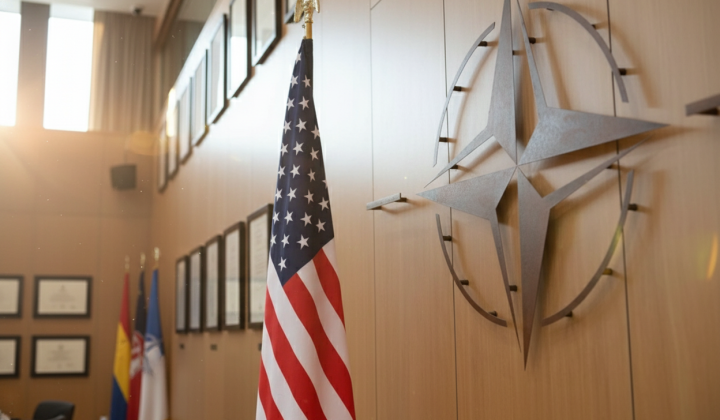
Expanding U.S. Nuclear Presence in Europe
According to Главком: The United States is exploring options to broaden its deployment of nuclear assets in Europe, a move that could offset a potential reduction of American troops in the region. Poland and the Baltic states have shown the strongest interest in this initiative. Discussions involve six nations that participate in NATO's nuclear-sharing program:
- Belgium
- Germany
- Italy
- Netherlands
- Turkey
- United Kingdom
In the wake of Russia's full-scale invasion of Ukraine and Vladimir Putin's nuclear posturing, allied interest has surged. Poland has already signaled its willingness to host U.S. nuclear weapons. Former Polish President Andrzej Duda urged NATO to extend its nuclear-sharing program to Poland. Warsaw has also joined a French-led initiative to temporarily host elements of nuclear deterrence.
Security and Defense Amid Rising Tensions
These talks remain confidential and may not lead to final decisions. Still, they underscore NATO's commitment to defending the alliance's eastern flank. U.S. nuclear weapons stationed in Europe remain under American military control, while NATO allies operate F-35, F-15, and Tornado aircraft for nuclear deterrence missions.
In April 2026, the Pentagon announced the withdrawal of roughly 5,000 troops from Germany, sparking concern among allies. As Dutch Prime Minister Mark Rutte remarked:
'If someone were foolish enough to attack us, the response would be devastating.' - Mark Rutte
This statement highlights the gravity of the situation and the pressing need to strengthen NATO's defensive posture amid growing regional instability.
The discussion about expanding the U.S. nuclear presence in Europe reflects rising allied anxiety over security in the face of Russia's aggressive policies. A final decision could mark a critical step in reinforcing NATO's defenses, particularly along the continent's eastern edge, where Poland and the Baltic states perceive a direct threat. Given recent U.S. troop movements, this issue has become even more urgent for ensuring regional stability.
As the U.S. considers enhancing its nuclear capabilities in Europe, it is essential to examine the broader implications of military adjustments within NATO. A recent significant reduction in U.S. forces and equipment for NATO has raised concerns about the alliance's readiness to respond to emerging threats, further complicating the security landscape in the region.

Read also