The US and G7 Prepare an Alliance Against China: How the World Will Phase Out Critical Minerals

US Collaboration with G7 Countries in the Field of Critical Minerals
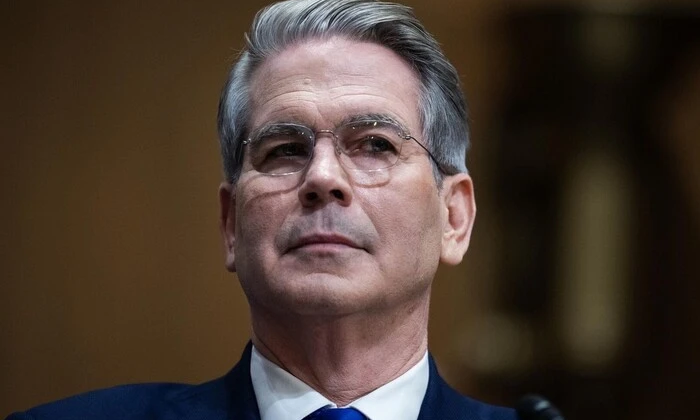
According to Главком: The United States is initiating cooperation with G7 countries and other partners to phase out Chinese critical minerals. US Treasury Secretary Scott Bessent is coordinating this strategy. A meeting is scheduled with high-ranking officials from 12 countries that form 60% of the global demand for strategic raw materials. China controls 47%-87% of the world's needs for critical metals, highlighting the importance of this initiative.
The Significance of the Meeting and China's Control
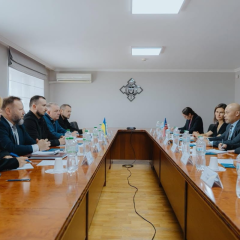
A meeting between Scott Bessent and high-ranking officials from countries including the G7, EU, Australia, India, South Korea, and Mexico is scheduled for January 12. The participation of these states in the negotiations is crucial as they together constitute a significant part of the global demand for strategic raw materials, including for:
- defense industry
- semiconductor manufacturing
- renewable energy sector
- batteries production
China controls a significant portion of the global demand for critical metals, including copper, lithium, cobalt, graphite, and rare earth elements. This prompts countries to actively work on alternative sources of raw material supply. Previously, Donald Trump announced that the US is ready to supply oil to China and Russia, indicating the strategic importance of resources in a global context.
Additionally, Ukraine has selected the winner of the tender for developing the strategic lithium deposit "Dobra." The consortium granted the extraction rights includes American billionaire Ronald Lauder, highlighting the interest in lithium as a critical resource. This situation signifies the growing competition for access to strategic raw materials worldwide, where the American initiative could significantly shift the balance of power in the critical minerals market.
The US efforts to reduce dependence on Chinese minerals could significantly impact the global market for critical raw materials, as this could lead to changes in suppliers and the formation of new alliances. In an environment of increasing competition for resources, such initiatives could stimulate the development of alternative sources of raw materials in other countries, which, in turn, could become an important factor in shaping a new global economic architecture.

Read also