Without Israel, the U.S. and Iran Sign a Landmark Memorandum

U.S.-Iran Memorandum of Understanding
According to Главком: A memorandum of understanding between the United States and Iran outlines the reopening of the Strait of Hormuz, a cessation of hostilities, a freeze on Tehran’s nuclear activities, and a 60-day negotiation window. Scheduled for signing this Friday in Switzerland, the document follows prolonged talks between the two nations. U.S. Vice President J.D. Vance will sign on behalf of the American side. President Trump has stated the agreement is already signed, though the full text has not yet been released to the public.
Core Provisions of the Memorandum
The memorandum includes several key commitments:
- An immediate and permanent end to all combat operations, including in Lebanon;
- Reopening the Strait of Hormuz to all commercial vessels immediately upon signing;
- A freeze on Iran’s nuclear work, halting further uranium enrichment and expansion of nuclear sites;
- A 60-day period for negotiating a comprehensive deal on the nuclear program and sanctions;
- The U.S. pledges to avoid imposing new sanctions until a final agreement is reached and to unfreeze $25 billion in Iranian assets.
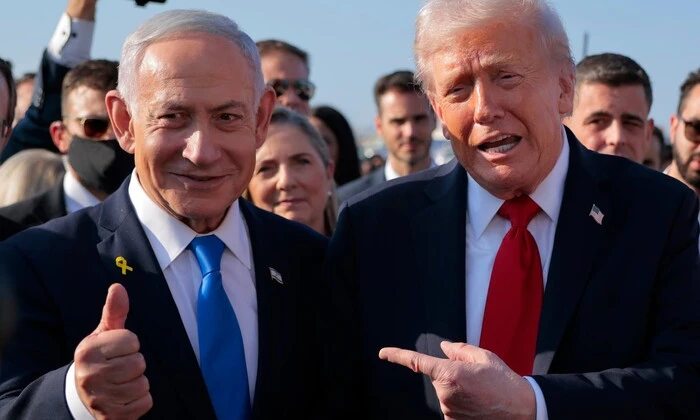
Israel was not part of the negotiations and has declared itself not bound by the deal. A senior Israeli official described the memorandum as 'terrible for Israel.' Prime Minister Benjamin Netanyahu emphasized, 'Iran demanded our removal, but I stood firm.' Israeli officials anticipate the 60-day timeline could be extended to 90 days. Senator Lindsey Graham has voiced concerns over discrepancies between the American and Iranian versions of the memorandum.
Gas prices are expected to drop, though they will remain roughly one dollar per gallon higher than before the war. Full restoration of oil shipments through the Strait of Hormuz to pre-war levels may not occur until 2027, according to David Zhorbenaze of ICIS. Trump’s approval rating has edged up by one point to 36%, while Democrats lead 41% to 38% in the November 3 parliamentary elections.
Public opinion on the deal is divided. Conservative commentator Erik Erickson remarked that 'Trump has capitulated to Iran.' A poll by the Israel Democracy Institute shows only 41% of Jewish Israelis believe Trump truly cares about their security-a sharp drop from 64% in March. These factors highlight the complexity and risks surrounding the memorandum’s implementation.
The U.S.-Iran memorandum has the potential to significantly reshape the geopolitical landscape of the region, especially given the Strait of Hormuz’s role in global oil supplies. Its success or failure will affect not only U.S.-Iran relations but also the security and economies of neighboring countries, particularly Israel. Since the agreement excludes Israel, its response and possible actions could become critical factors in the evolving dynamics of the Middle East conflict.
The recent agreement marks a significant shift in U.S.-Iran relations, reminiscent of previous negotiations that sought to address nuclear concerns. To understand the broader implications of this memorandum and its potential impact on regional dynamics, explore our detailed analysis of the nuclear deal with Iran, which highlights the complexities surrounding these discussions.

Read also