U.S. Presses European Allies for Strait of Hormuz Security Plans

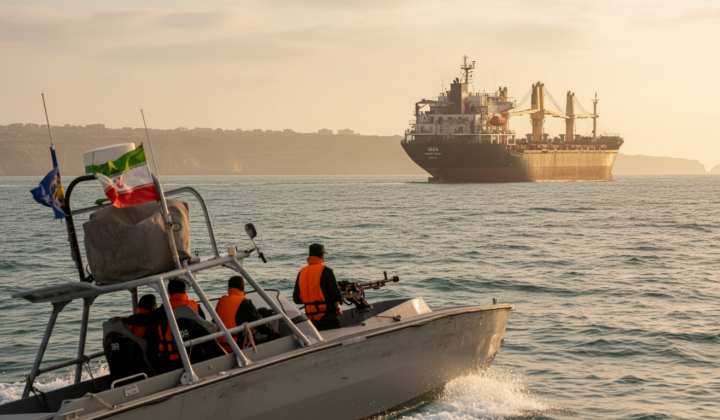
Strait of Hormuz Tensions
According to ХВИЛЯ: Following the announcement of a 14-day ceasefire between U.S. President Donald Trump, Iran, and Israel, the United States is demanding specific security plans from its European allies for the Strait of Hormuz. Despite the declared truce, strikes between Iran and Israel have continued, and the Strait remains closed. Trump has also criticized NATO, suggesting the U.S. could potentially withdraw from the alliance. The Strait of Hormuz is a vital global chokepoint, and its closure directly threatens the flow of energy supplies worldwide.
Specifically, the U.S. has given allied nations a deadline of just a few days to present concrete plans for securing maritime traffic through the Strait. This urgent request was made during talks between American and NATO officials held at the White House, the Pentagon, and the State Department. A coalition led by the United Kingdom, which includes over 40 countries, has already pledged to help reopen the Strait, a passage for roughly 20% of the world's exported oil and natural gas.
Ceasefire and Continued Strikes
On Tuesday, Trump, Iran, and Israel announced a 14-day ceasefire agreement. However, Iranian and Israeli strikes have persisted, with Tehran claiming that Israeli attacks on Hezbollah forces violate the truce terms. U.S. Vice President J.D. Vance is scheduled to lead an American delegation to Islamabad on Saturday for direct talks with Iran.
“NATO wasn't there when we needed it, and it won't be there if we need it again.” - Donald Trump
Approximately a dozen, mostly European, leaders have issued a statement promising to help ensure freedom of navigation in the Strait of Hormuz, underscoring the waterway's critical importance to the global economy.
The situation surrounding the Strait of Hormuz remains critically important for both regional and global stability. The continuation of military actions between Iran and Israel, despite the declared ceasefire, highlights the deep complexity of resolving the conflict. Simultaneously, the intensified efforts by the U.S. and its allies to secure this maritime route emphasize the region's strategic significance for international trade, particularly in the energy sector.
The ongoing tensions in the region have raised questions about the effectiveness of NATO, as highlighted by Trump's recent remarks. For a deeper understanding of the U.S. stance on the Iran conflict and its implications for international alliances, read more about Trump's commitment to resolving the crisis and his criticism of allies.

Read also