Interceptor Drone Swarms Tested by U.S. Forces to Counter Mass Attacks

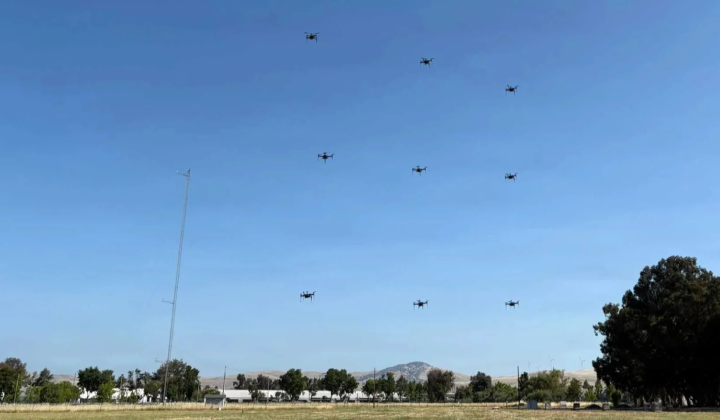
Testing of the CURTAIN CALL System
According to НВ — Техно: On June 8, 2026, AFRICOM successfully conducted trials of the CURTAIN CALL system at California’s Lawrence Livermore National Laboratory. This technology relies on autonomous swarms of interceptor drones designed to defend against coordinated unmanned aerial vehicle (UAV) assaults. The tests confirmed CURTAIN CALL’s ability to detect, track, and neutralize threats from both individual and synchronized drone attacks.
According to available information, the system’s defense mechanism involves deploying protective swarms of other UAVs to mount an effective response against hostile incursions. The trials also helped AFRICOM identify technical gaps in the system, paving the way for further refinements to the technology.
Advancements in Defense Technology
Separately, the U.S. Department of Defense signed a $6.5 million contract with Skyborne Technologies, acquiring 14 CODiAQ unmanned systems and 28 modular units. These new tools are intended to bolster U.S. defense capabilities. Training sessions and field tests involving robotic dogs are scheduled to begin in fall 2026, highlighting the military’s active push into unmanned technologies.
It is also worth noting that the U.S. Special Operations Command, alongside allied forces, will evaluate these new systems-underscoring the importance of international collaboration in defense. The CURTAIN CALL trials mark a significant step toward creating an affordable short-range air defense system tailored to modern security challenges.
The development of CURTAIN CALL highlights the expanding role of unmanned technologies in military operations, particularly in addressing UAV-related threats. These successful tests could lay the groundwork for further investment in this area, potentially enhancing the defensive posture of the United States and its allies.
Collaboration with international partners in assessing new technologies also reflects a strategic approach to tackling global security challenges.
As the U.S. military continues to innovate in unmanned defense systems, the development of CURTAIN CALL is just one aspect of a broader strategy. For instance, a US Navy veteran is also making strides by constructing a fleet of autonomous boats aimed at intercepting Russian drones over the Black Sea. This initiative highlights the increasing emphasis on autonomous technologies in modern warfare. To learn more about this innovative project, visit the efforts to combat drone threats.

Read also