94-Year-Old Raúl Castro Charged with Murder by the United States

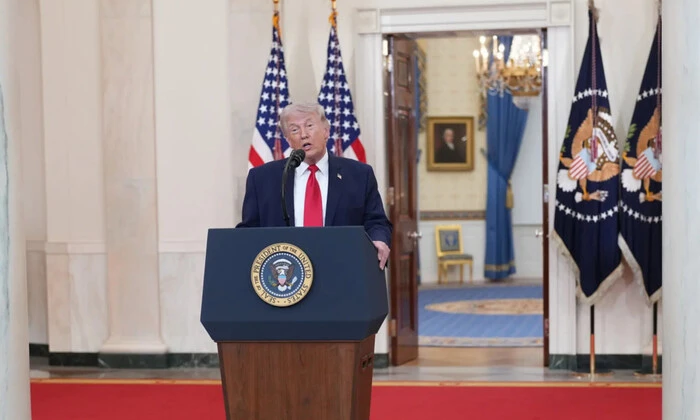
U.S. Actions and the Situation in Cuba
According to Главком: The Trump administration has signaled its intent to dismantle Cuba's communist government, a move that gained attention after the U.S. Department of Justice filed charges against 94-year-old Raúl Castro. He is accused of murder and conspiracy to commit murder involving American citizens, linked to the 1996 downing of two civilian aircraft operated by the organization 'Brothers to the Rescue.' Four people died in that incident. The indictment was made public on Cuba's Independence Day, the same day the U.S. intensified its oil blockade against the island.
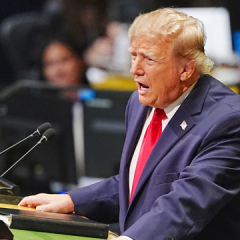
CIA Director John Ratcliffe personally delivered a list of U.S. demands in Havana, which analysts suggest could be an attempt to fracture Cuba's leadership or serve as a pretext for military intervention. Trump publicly stated his goal to 'liberate' the island, claiming Cuba is collapsing due to a lack of funds and fuel. Secretary of State Marco Rubio accused Cuba's leadership of stealing billions of dollars, further bolstering the administration's arguments.
International Ramifications and Cuba's Response
Meanwhile, security measures for leaders in Havana are even stricter than those in Venezuela, where a similar approach succeeded in January 2023 by removing Nicolás Maduro and installing Delcy Rodríguez as acting president. However, a comparable hardline strategy against Iran failed, raising concerns among experts. Cuba's military operates under a total defense doctrine, and a prolonged siege could trigger a massive influx of refugees into the United States.
Trump's approval ratings have dropped significantly due to the war in Iran, and most Americans oppose new conflicts, according to polls by CNN and The New York Times. The White House is seeking a quick foreign policy victory, as the administration has been unable to end the war in Iran, nor has it made progress in Gaza or the Ukraine settlement. Turning Cuba into a client state could eliminate Russian and Chinese influence in the region.
Cuba is already under multidimensional pressure, but President Miguel Díaz-Canel has stated that the country has every right to self-defense, which cannot honestly be used as a justification for war. He also emphasized that Havana harbors no aggressive plans or intentions toward any nation, including the United States-a fact well known to the U.S. government. Five other individuals are implicated in this case, including three Cuban military pilots.
The situation in Cuba is expected to remain tense as the Trump administration seeks to escalate pressure on the communist regime. Given the historical context and previous U.S. attempts to intervene in Cuba's internal affairs, it is crucial to monitor the international community's response and potential regional consequences. Should tensions escalate, a surge in refugees could create additional challenges for the United States and neighboring countries.
The situation in Cuba continues to escalate as the U.S. government intensifies its measures against the island, particularly in light of the recent charges against Raúl Castro. This development comes amid a broader strategy that includes increased sanctions and a potential military response from the Trump administration, raising concerns about the future of U.S.-Cuban relations and the implications for regional stability.

Read also