U.S. Pulls 5,000 Troops from Germany: What This Means for NATO’s Eastern Flank

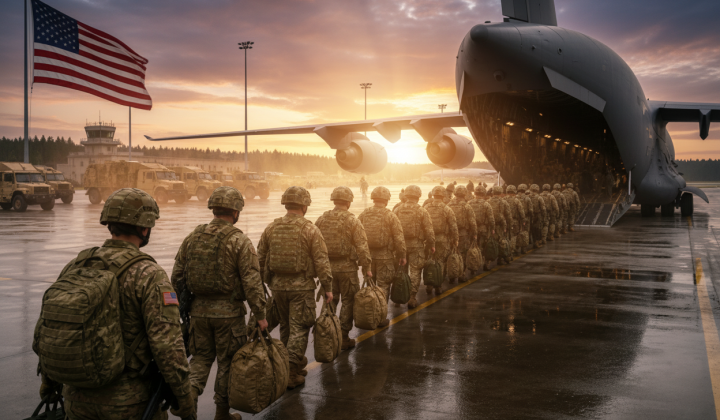
U.S. Military Withdrawal from Germany Underway
According to Главком: The United States has started moving approximately 5,000 service members out of a training area in Germany. This move, which could significantly weaken NATO’s eastern flank, is likely tied to political tensions between U.S. President Donald Trump and German Chancellor Friedrich Merz. Along with the troops, tank commanders, pilots, and weapons specialists are also leaving the country.
Reducing the military presence could have notable consequences both for the region and for Europe’s security framework. The town of Vilseck, from which American forces are departing, has a population of 6,500. Local experts have already voiced concerns over the economic fallout. As Torsten Grädler noted,
“the troop withdrawal will be a severe blow to the local economy.”
He also stressed that
“the American presence is critically important for this town of 6,500, which is considered one of the least developed in Bavaria.”
Growing Security Risks in Europe
European politicians and officials are increasingly warning about rising security threats on the continent. The main cause for these fears is a combination of several factors:
- a potential reduction in the U.S. role in guaranteeing Europe’s security;
- the European Union’s own insufficient defense capabilities;
- the Kremlin’s ambition to exploit this period to expand its influence.
While a large-scale military invasion of NATO territory is currently considered unlikely, the risk of provocations, local crises, or attempts to destabilize the region remains.
The withdrawal of American troops from Germany marks a significant shift that could alter the balance of power in Europe. This decision may reflect a change in Washington’s approach to its military footprint on the continent, raising alarm among European allies. Observers believe that without a proper response from the European Union, the region could become more vulnerable to external threats, particularly from Russia.
As the U.S. begins its troop withdrawal, the implications for Europe's security landscape are becoming increasingly apparent. This shift raises critical questions about NATO's future and the capacity of European nations to respond to emerging threats. For a deeper understanding of what this military transition means for the continent, explore the potential consequences of the U.S. military exit.

Read also