U.S. Conducts Covert Operation to Transfer 90 Million Barrels of Oil

Secret U.S. Oil Transfer Mission
According to Главком: The United States executed a clandestine oil transfer operation off the coasts of the United Arab Emirates and Oman following Iran's blockade of the Strait of Hormuz. Initiated in early May, the mission aimed to sustain crude exports from the Persian Gulf by employing a ship-to-ship transfer method previously used by Iran. This effort successfully moved up to 90 million barrels of crude oil and petroleum products.
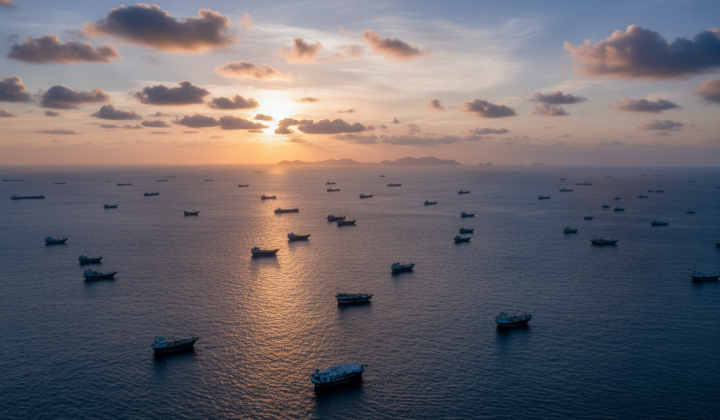
Drones, maritime drones, and helicopters were deployed to oversee the operation. At least 92 vessels were involved, and as of June 11, transfers were simultaneously occurring between 17 pairs of tankers. The oil transfers took place near the ports of Fujairah and Sohar, where tankers navigated the Strait of Hormuz with transponders turned off and dimmed lights. Each transfer operation lasted between 24 and 40 hours. While U.S. military personnel did not directly participate in the transfers, they provided monitoring and escort support.
Conflict's Impact on the Oil Market
After the outbreak of war between Iran and Israel, Tehran effectively shut down the Strait of Hormuz, through which approximately 20% of global oil consumption once flowed during peacetime. Before the conflict, around 20 million barrels of oil passed through the strait daily. Current shipping volumes remain significantly below pre-war levels. Iran continues to tighten its grip on the Strait of Hormuz, underscoring the need for alternative routes to secure oil exports.
How did the oil transfer scheme work? Using specialized tankers and advanced technologies, the transfers ensured safe oil transport under heightened risk conditions. Why was a new route necessary? Iran's blockade of the Strait of Hormuz posed a major challenge to the global oil market. What risks does this temporary solution carry? Transfer operations remain vulnerable to attacks and disruptions, increasing the danger for international oil shipments.
Given the escalating regional conflict and the blocking of critical maritime pathways, the U.S. operation marked a crucial step in maintaining the continuity of oil supplies to global markets. It highlights the adaptability and readiness of American forces to respond to shifting geopolitical circumstances. At the same time, these events underscore the risks tied to reliance on traditional routes and the urgent need to explore new pathways for energy supply amid instability.
In light of the ongoing tensions in the region, it's crucial to understand that U.S. military protection now covers a significant portion of oil flow through the Strait of Hormuz. This development is part of broader efforts to secure alternative routes for oil exports, ensuring stability in global oil markets amidst the escalating conflict.

Read also