UK's Keir Starmer Denies Trump's Request for Bases in Iran Operation, Signaling Foreign Policy Shift

A Shift in UK Foreign Policy
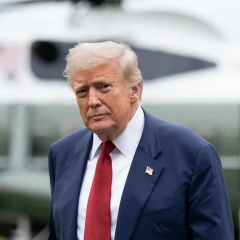
According to ХВИЛЯ: UK Prime Minister Keir Starmer has refused a request from US President Donald Trump to provide British bases for an operation against Iran. This decision marks a significant change in British foreign policy, a shift that has been shaped by Russia's full-scale invasion of Ukraine and Trump's return to power. Analysis by former advisor Ben Judah suggests these events have been pivotal in defining the UK's new approach to international relations. This move highlights the UK's increasing focus on European security challenges, even as it navigates its post-Brexit relationship with the United States.
The first major event to reshape British strategy was Russia's full-scale invasion of Ukraine. It is noted that Boris Johnson, Starmer's predecessor, took decisive actions to support Ukraine, including ordering an airlift to supply Kyiv with NLAW anti-tank missile systems. Under his direction, the British training mission also remained in Ukraine, demonstrating the UK's active involvement in the conflict.
The 'Coalition of the Willing' and Defense Challenges
In March 2025, Keir Starmer and French President Macron launched a 'coalition of the willing,' aimed at developing plans for deploying European troops to Ukraine to secure a peaceful settlement. This indicates the UK's desire to strengthen its diplomatic position in the region, even as it faces challenges with its own defense capabilities. For the first time since the 1980s, the UK has withdrawn a minesweeper from Bahrain, leaving no combat presence in the Persian Gulf, and currently has no destroyer in the Eastern Mediterranean.
Amid these foreign policy changes, Germany is also taking steps to enhance its defense capabilities, aiming to increase defense spending to 3.5% of GDP by 2029. This underscores a broader European trend of boosting military expenditure in response to growing security threats.
Ben Judah: 'Without his bold and unconventional decisions, it would have been incomparably harder for Ukraine to hold out.'
The UK's refusal to grant bases for an Iran operation demonstrates a realignment of its foreign policy priorities amid heightened geopolitical tensions. This step, coupled with intensified cooperation with other European nations, signals London's intent to focus on regional security issues, particularly concerning Ukraine. Concurrently, rising defense spending in Germany and across Europe points to a continent-wide trend of strengthening military capacity in response to new security challenges.
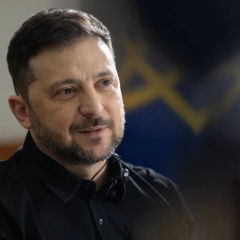
As the UK adjusts its foreign policy amidst evolving global dynamics, Starmer's upcoming meeting with Zelenskyy underscores Britain's commitment to supporting Ukraine in these challenging times. This engagement reflects not only a response to recent geopolitical shifts but also a broader strategy to reinforce alliances in Eastern Europe.

Read also