Century-Old Ammonia Production Method Faces Disruption from Startups

The Haber-Bosch Process: A Century of Dominance and Emerging Alternatives
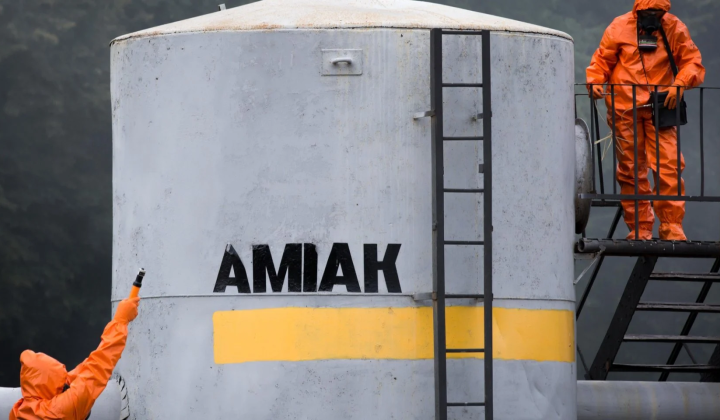
According to НВ — Техно: In 1908, German chemist Fritz Haber introduced a groundbreaking method for synthesizing ammonia from nitrogen and hydrogen, demonstrating it in action during the summer of 1909 at 500 °C and over 100 bar of pressure. This innovation, known as the Haber-Bosch process, became commercially operational in 1913 at a plant in Oppau, producing 20 tons of ammonia daily. Today, nearly all of the 180 million tons of ammonia produced globally rely on this method, which consumes 1-2% of the world's total energy and accounts for 1.44% of global CO₂ emissions. The process has profoundly shaped agriculture and explosives manufacturing, but its environmental footprint now drives a search for cleaner alternatives.
By 2019, global ammonia output reached 235 million tons, making it the second most produced chemical after sulfuric acid. Traditionally manufactured ammonia is labeled as "gray" due to its carbon-intensive production, raising environmental concerns. Efforts are now underway to develop alternative production methods, including:
- Blue ammonia (with carbon capture)
- Green ammonia (produced using renewable energy and water electrolysis)
- Turquoise ammonia (via methane pyrolysis)
Modern startups like Ammobia and Amogy are actively working to modernize ammonia production. Ammobia has raised $7.5 million in investments from companies such as Shell and Chevron. Its system operates at 30 bar and 400 °C, and the company plans to build a pilot plant with a capacity of 10 tons per day. Karen Baert, CEO of Ammobia, explains:
“Our technology is very well compatible with renewable sources, which leads to additional cost reductions because there is no need to store hydrogen or electricity.” - Karen Baert
Meanwhile, Amogy has secured $80 million in funding, reaching a valuation of $700 million. The startup aims to commercialize systems for commercial vessels, ranging from 500 kilowatts to 1 megawatt in power. Notably, the International Maritime Organization plans to introduce a carbon tax on shipping emissions starting in 2027, highlighting the urgency of decarbonization efforts.
Ammonia becomes liquid at -33 °C or under 10 bar of pressure, opening new possibilities for storage and transport. Thus, the Haber-Bosch method, born over a century ago, continues to evolve amid fresh challenges and opportunities in a world focused on sustainability.
The development of alternative ammonia production methods is a crucial step in reducing environmental impact and meeting decarbonization goals. With growing pressure to cut CO₂ emissions, technologies pioneered by startups could reshape the chemical industry. Investments in new solutions signal market interest in clean technologies, potentially transforming global ammonia production practices. This not only supports sustainable development but could also significantly alter the industry's competitive landscape in the years ahead.

Read also