How Stereotypes of Ukrainian Women in Poland Have Shifted: From Migrant Worker to 'Family Threat'

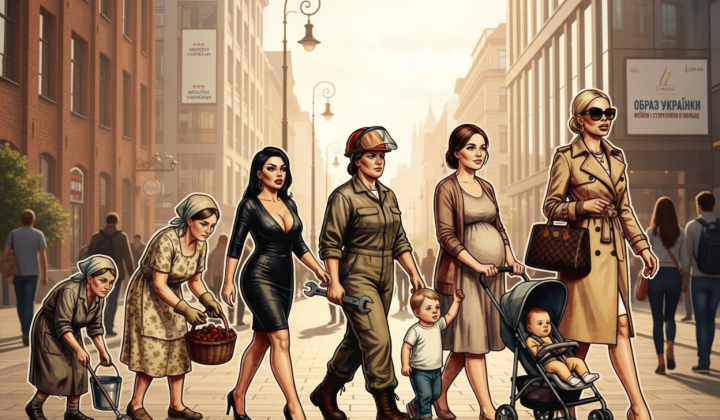
The Evolution of Negative Stereotypes Against Ukrainian Women in Poland
According to Главком: Changing negative stereotypes about Ukrainian women in Poland reflect shifts in social attitudes and political climate. The perception has moved from the 1990s and 2000s images of the 'migrant worker' and 'sex worker' to contemporary narratives labeling them as 'kept women' and a 'threat to the traditional family.' This evolution is significantly fueled by the spread of disinformation, often of Russian origin, on social media, where AI-generated photos are actively used.
In 2024, Poland saw 5,359 marriages where at least one partner was a Ukrainian citizen-double the number from the previous year. Over the past decade, the number of Polish-Ukrainian marriages has increased 3.5-fold, indicating a shift in how Ukrainian women are viewed. Ukrainians now make up roughly 4.5% of Poland's population, and their economic contribution is substantial. For instance, in 2024, Ukrainians contributed 2.7% to Poland's GDP, and one in ten new companies in the country was Ukrainian-founded, with over 40% of those established by women.
Persistent Discrimination and Stereotypes
Despite these positive trends, Ukrainian women still face discrimination. In June 2012, radio station Eska Rock broadcast xenophobic 'jokes' about Ukrainian women, leading to the program's cancellation and punishment for the hosts. Societal stereotypes persist.
'Ukrainian women are stealing our husbands; a Ukrainian woman wants to marry a Pole just for citizenship,' critics claim.
An investigation by the organization Demagog found that most accounts posting 'marriage ads' for Ukrainian women were bots or had Russian ties. Journalists from Konkret TVN, using HiveModeration, discovered that photos of 'Ukrainian women' on Facebook were AI-generated and disseminated from dozens of fake pages. The false narratives in these posts include claims that Ukrainian women seek Polish men for citizenship, exploit social benefits, are ungrateful, and take spots in queues.
Economically, Ukrainian refugee women in Poland earn an average of 3,543 zloty, about a thousand zloty less than Poles. Yet, around 70% of these refugee women are employed, and over 45% hold a higher education degree. According to estimates by the UN High Commissioner for Refugees, 20% of Ukrainian refugees in Poland live in relative poverty.
There has been a noticeable shift in how Polish society perceives Ukrainian women.
'Poles have seen that Ukraine is diverse, and the women are diverse. Many middle-class women have come to Poland,' notes sociologist Anna Dolinska.
Nevertheless, discriminatory attitudes persist. For example, Ukrainian women sometimes face accusations of abusing social welfare. 'In a nursery in a city's residential district in 2024, a parents' revolt began. Several mothers complained that I-a Ukrainian-was supposedly living off Polish social benefits,' shares businesswoman Anna Bondarenko.
Thus, the evolution of the image of Ukrainian women in Poland is a complex phenomenon, reflecting both positive and negative aspects that require further study and discussion. The situation highlights the ongoing challenges of integration in a major European host country.
Changes in the perception of Ukrainian women in Poland demonstrate how social and economic circumstances can influence stereotypes and prejudice. Despite the growing number of marriages and the significant economic contribution of Ukrainians to the Polish economy, discriminatory sentiments remain relevant. This underscores the need for continued dialogue and educational campaigns to combat stereotypes, an issue requiring attention from both society and the state to improve the integration of Ukrainian women into Polish society.
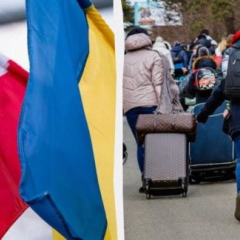
The growing presence of Ukrainians in Poland, now exceeding two million, has significantly shaped the country's social and economic landscape. This influx not only highlights the evolving perceptions of Ukrainian women but also underscores their vital role in Poland's economy. For a deeper understanding of how this demographic shift impacts various sectors, you can explore more in our article about the unprecedented contributions of Ukrainian citizens to Poland.

Read also