Candlemas 2026: Traditions, Weather Lore, and Practices to Observe

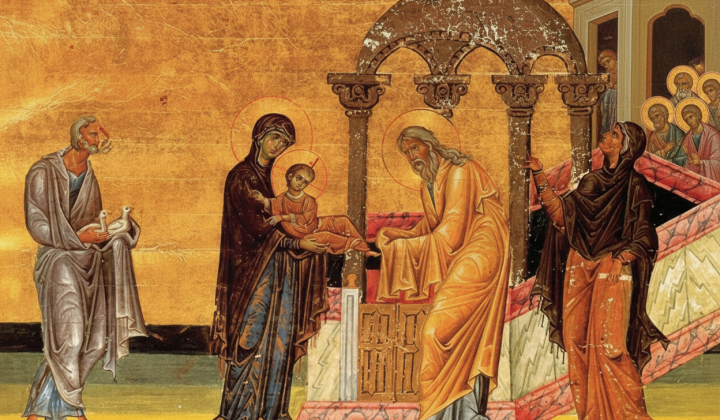
The Feast of the Presentation of the Lord
According to Главком: One of Christianity's most ancient feasts, the Presentation of the Lord, also known as Candlemas, will be observed on February 2, 2026. This celebration has deep roots, extending back to pre-Christian times. According to tradition, on the 40th day after Jesus's birth, the Virgin Mary and Joseph brought him to the Temple in Jerusalem, where they were met by the elder Simeon, who was said to have lived nearly 300 years. The feast is also known by other names, including the Meeting of the Lord, the Purification of the Virgin, and Groundhog Day in some Western traditions.
Since September 1, 2023, the Orthodox Church of Ukraine (OCU) and the Ukrainian Greek Catholic Church have adopted the Revised Julian calendar. As a result, all fixed feast days have shifted 13 days earlier, aligning Orthodox celebrations like this one with their Catholic counterparts. A key ritual of Candlemas is the blessing of water and special candles, often called 'gromnychni' or thunder candles.
Folk Beliefs and Prohibitions
This day is rich with folk omens believed to predict the coming harvest:
- Water dripping from roofs suggests a long, drawn-out spring;
- A warm day without dripping water points to an early, dry spring;
- If the sun is absent on February 2nd, expect severe frosts;
- A cold day indicates a warm spring is coming soon;
- Snowfall on Candlemas foretells a prolonged and rainy spring;
- Icicles hanging from eaves are seen as a sign of a good corn harvest;
- Wind on this day promises a fruitful yield from fruit trees.
Traditional prohibitions for Candlemas are also observed. On this day, one should not:
- Swear or use foul language;
- Speak ill of others;
- Engage in conflicts or arguments;
- Wish harm upon anyone;
- Embark on a long journey;
- Consume alcoholic beverages;
- Pour out any water that has been blessed;
- Visit the bathhouse to bathe.
Adhering to these customs is considered important for ensuring future well-being and good fortune.
Therefore, the Presentation of the Lord is not only a significant religious feast but also a time when people follow traditions, observe nature, and seek to secure a bountiful harvest. This blend of faith and folklore is a hallmark of many Eastern European cultures. The feast remains a vital element of Ukrainian culture, intertwining religious, folk, and natural elements. The recent calendar change has brought its celebration into closer harmony with Western Christian traditions, potentially fostering greater interfaith understanding. Participants typically observe both the liturgical rites and the folk customs, highlighting the close connection between spiritual belief and the rhythms of daily life.

Read also