Supreme Court Judge Declares Sanctions Against Poroshenko Illegal

Ruling from the Administrative Cassation Court
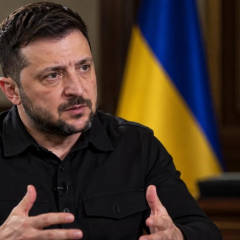
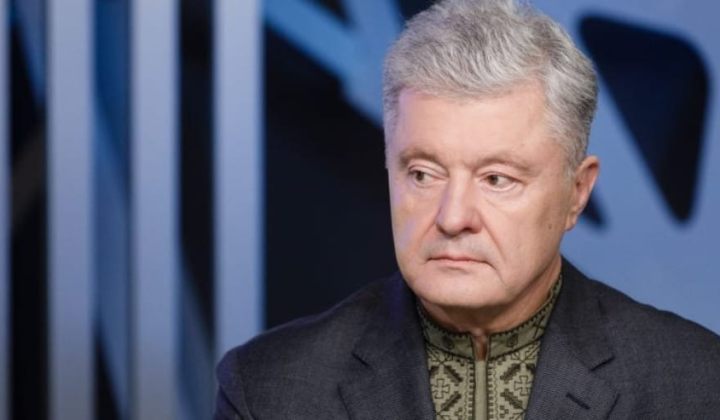
According to 5 канал: Judge Olesya Radyshevska issued a dissenting opinion regarding the decision made by the Administrative Cassation Court within the Supreme Court on July 10, 2026, in case No. 990/80/25. She argued that the lawsuit filed by Ukraine’s fifth president, Petro Poroshenko, against President Volodymyr Zelenskyy should have been upheld, and the decree imposing sanctions should have been overturned. However, the majority of the panel of judges rejected the claim.
Key Aspects of the Case
The primary evidence used to justify the sanctions was a letter from the State Financial Monitoring Service of Ukraine dated February 12, 2025. Judge Radyshevska pointed out that this letter contained no analytical assessment. She also noted that the Ministry of Economy, the Cabinet of Ministers, and the National Security and Defense Council merely replicated its content without conducting any independent verification. According to her, the letter did not result from analytical work on financial transactions or terrorism financing. Moreover, it lacked any information connecting Poroshenko’s actions to threats against national security.
The lawsuit on behalf of Petro Poroshenko was filed in March 2025, demanding the annulment of Presidential Decree No. 81/2025. All procedures-from the State Financial Monitoring Service’s letter to the signing of the decree-were completed within a single day: February 12, 2025. The sanctions were imposed indefinitely on a Ukrainian citizen residing in government-controlled territory.
Judge Radyshevska highlighted errors in the taxpayer identification number (RNOKPP) and noted that appendices were edited after the decree had already taken effect. She also emphasized the chaotic assortment of restrictions, which included:
- revocation of state awards
- asset freezes
- a ban on using radio frequencies
- a ban on foreign vessels entering ports
In her dissenting opinion, the judge drew attention to the politically motivated nature of the persecution targeting the opposition leader, stating:
“The Ministry of Economy, as the initiator, merely duplicated the content of the State Financial Monitoring Service of Ukraine’s letter and conducted no independent assessment of the plaintiff’s actions or activities. The Cabinet of Ministers of Ukraine’s directive and the Cabinet meeting protocol also lacked any independent justification for the existence of circumstances warranting the imposition of sanctions.”
As a result, the Administrative Cassation Court’s ruling has sparked intense debate, particularly regarding compliance with European standards and the case law of the European Court of Human Rights.
This case underscores the critical need to adhere to procedural norms and standards when imposing sanctions, especially in contexts involving political persecution. The court’s decision and Judge Radyshevska’s dissenting opinion could shape future practices regarding administrative measures against opposition figures in Ukraine. Furthermore, this may set a precedent for similar cases moving forward, as both domestic society and the international community closely monitor the evolution of the country’s legal system.
In light of this ruling, it is important to consider the broader implications of the court's decision on Poroshenko's legal battles. For a deeper understanding of the challenges he faces regarding sanctions, including the Supreme Court's previous ruling against him, you can read more about it here.

Read also