Mesolithic Wooden Structures Dating Back 10,500 Years Discovered Near Lake Arendsee, Germany

Archaeologists Unearth Ancient Wooden Remains Near Lake Arendsee
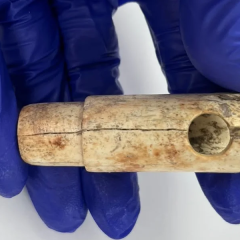
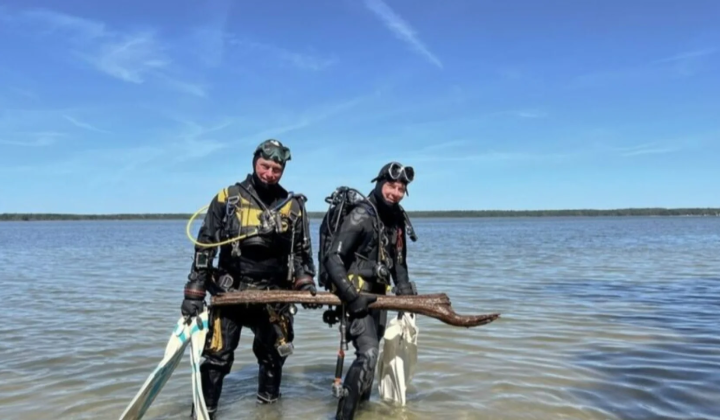
According to НВ — Техно: In northern Germany, near Lake Arendsee, archaeologists have uncovered wooden constructions estimated to be around 10,500 years old, likely crafted by Mesolithic hunter-gatherer communities. Among the finds are a 1.6-meter-long wooden post showing deliberate cutting and shaping, along with split planks measuring up to 1.3 meters, indicating purposeful woodworking. These discoveries shed new light on early Central European habitation and construction methods before the rise of agricultural societies. Ongoing investigations aim to determine the extent of the submerged area and clarify the function of these ancient structures.
Approximately 10,500 years ago, humans settled near what is now northern Germany’s Lake Arendsee. The wooden artifacts were recovered from about 20 meters underwater in the lake located in Saxony-Anhalt. Researchers from the State Office for Heritage Management and Archaeology of Saxony-Anhalt have been studying Lake Arendsee for several years. Earlier underwater explorations in this region revealed Neolithic fish traps and medieval boats, highlighting the lake’s long history of human use.
Significance of the Findings
The newly uncovered wooden elements date back to the Mesolithic era. Geological activity related to an underground salt dome caused the lake bed to sink, preserving traces of human activity some 20 meters below today’s water surface. Wooden artifacts from Mesolithic sites are extremely rare, making these remains at Arendsee particularly exceptional. The wood shows signs of intentional felling and craftsmanship rather than mere collection of fallen branches. The large post may have served as a support structure, with the split planks possibly forming parts of constructed wooden buildings.
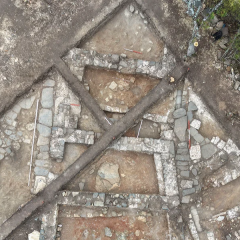
Archaeologists have yet to determine the precise purpose of these structures-whether they were dwellings or served other functions. These remains predate the first Central European farming communities by roughly 3,000 years; those early agrarian societies emerged around 5500 BCE. In the same broader region, a 5,500-year-old trapezoidal burial monument containing human remains was found near Delitzsch in the Leipzig district. This tomb was uncovered during archaeological surveys conducted prior to the construction of a heating and hydrogen pipeline between Leuna and Kulkwitz.
Harald Meller commented, "The preservation of these finds offers a rare and direct glimpse into materials that typically vanish from the archaeological record."
This discovery highlights the importance of studying the Mesolithic period to better understand the early development of European societies. It provides fresh insights into the technological advancements and social structures of hunter-gatherer groups, contributing valuable knowledge to the evolution of architectural traditions in the area. Further research is expected to reveal more about the lifestyles of these ancient populations and their interactions with the environment.
Marcel Weiss emphasized, "Evidence suggesting permanent structures or well-established living environments at such an early stage could transform archaeologists’ perceptions of hunter-gatherer societies and the deeper origins of Europe’s cultural landscapes."
The recent discovery near Lake Arendsee adds to a growing body of archaeological evidence in Germany, where ancient structures continue to reveal insights into early human life. For instance, an over 2,000-year-old farmstead was previously unearthed, showcasing the region's long-standing significance in human history and development. These findings underscore the importance of ongoing research in understanding the evolution of ancient societies in this part of Europe.

Read also