Swedish Researchers Develop Eco-Friendly 3D Printing Material Made from Yeast

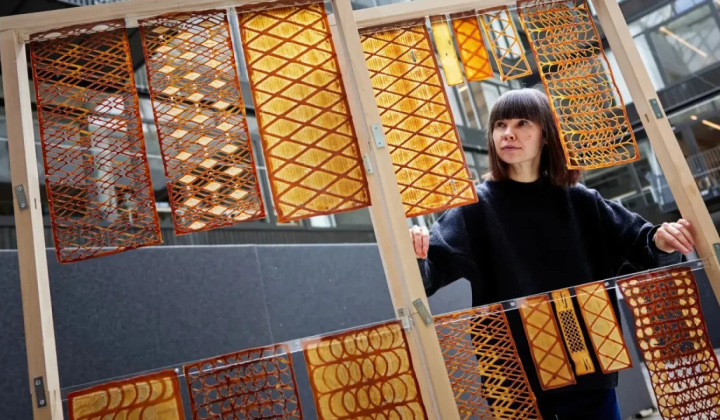
Innovative Building Material for 3D Printing
According to НВ — Техно: A team at Chalmers University of Technology in Sweden has engineered a new 3D printing material derived from thermally deactivated yeast. The composition also includes cellulose fibers from wood, alginate, and plant-based glycerin. Thanks to its unique properties, this hydrogel can air-dry at room temperature, eliminating the need for energy-intensive firing processes.
Published on June 9 at 09:00, the study found that heat-deactivated yeast acts as a binding agent, helping to create a uniform material structure. Professor Malgorzata Zboinska commented:
“Yeast is an ideal candidate: it grows exponentially, requires minimal conditions, and enables a homogeneous, predictable material structure.”
The new material also incorporates:
- Wood-derived cellulose fibers, which enhance tensile strength;
- Alginate from brown seaweed, ensuring shape stability during printing;
- Plant-based glycerin, providing flexibility and plasticity.
The result is a hydrogel that can be extruded through a 3D printer nozzle. After printing, objects simply air-dry, making the process environmentally friendly.
Using this material, researchers can achieve a color palette ranging from soft yellows to rich browns. Researcher Yagmur Bektas highlighted that:
“3D printing allows for the creation of complex geometric shapes without any material waste.”
Green Technologies in Construction
The development of this 3D printing material, based on deactivated yeast and other natural ingredients, underscores the growing interest in eco-friendly construction technologies. By relying on renewable resources, it not only reduces environmental impact but also opens up new creative design possibilities in architecture. This material could serve as an alternative to traditional building supplies, advancing sustainability in the field.
In addition to the advancements in eco-friendly materials, similar innovations are emerging in the realm of 3D printing. For instance, researchers have recently unveiled a military boat constructed from volcanic plastic, showcasing the versatility and potential of alternative materials in various applications. To learn more about this groundbreaking project, check out how volcanic materials are revolutionizing military design.

Read also