Swedish Court Sets Precedent by Upholding Seizure of Russian Grain Ship

Sanctioned Bulk Carrier Caffa Detained in Landmark Ruling
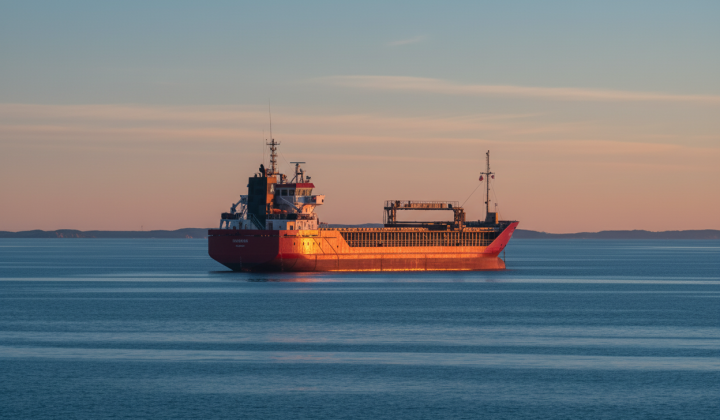
According to Главком: On June 4, a district court in the Swedish town of Ystad ruled that the arrest of the sanctioned bulk carrier Caffa was lawful, opening the door for its transfer to Ukrainian law enforcement authorities. The court classified the vessel's actions as a war crime, citing suspicions that it illegally transported Ukrainian grain from occupied Sevastopol.
The decision to detain the Caffa, which was taken into custody in March 2026, also rejected objections from its owner, Caffa Shipping Limited. The company now has three weeks to file an appeal. Swedish judges determined that the ship's activities may constitute a war crime under national law. Measuring 114 meters in length, the vessel is listed on Ukraine's sanctions list.
Investigators found that the Caffa repeatedly entered temporarily occupied Ukrainian territory. In international registries, the ship is listed as Guinea False. During the summer of 2025, it loaded stolen grain in occupied Sevastopol and transported it to the Russian-controlled Syrian port of Tartus. Ukraine imposed sanctions on the vessel in November 2025.
Detention and Aftermath
Sweden's Coast Guard intercepted the Caffa in March 2026 in the Baltic Sea near Trelleborg. The formal grounds for the seizure included:
- sailing under a false Guinea flag,
- violating maritime safety regulations,
- being technically unfit for navigation.
On March 12, the Office of the Prosecutor General of Ukraine submitted a request for international legal assistance to Sweden's Ministry of Justice.
Of the eleven crew members, ten are Russian nationals. They left Sweden in May. Ukraine's Prosecutor General, Ruslan Kravchenko, stated:
“No manipulations with flags, routes, or registration will help avoid accountability.”
According to the Ministry of Foreign Affairs, between January and April 2026, 25 vessels from Russia's grain fleet conducted approximately 50 direct voyages from Ukrainian ports in occupied territories to third countries, exporting over 850,000 tons of grain.
The arrest of the Caffa marks a significant milestone for Ukraine in its efforts to combat the illegal export of grain from occupied regions. On June 4, a Swedish court detained a vessel from Russia's shadow fleet at Ukraine's request for the first time.
This case highlights growing international support for Ukraine in addressing the unlawful removal of resources from occupied territories. The ruling also sends a strong signal to other nations about the importance of upholding international law and prosecuting war crimes. At the same time, the Caffa incident underscores a broader issue involving Russian vessels operating in the Black Sea and their role in criminal schemes that damage Ukraine's economy and agricultural sector.
This landmark ruling follows a series of coordinated efforts by Ukraine to hold accountable those involved in the illegal grain trade. For a deeper understanding of the broader implications of such actions, including the recent seizure of the Caffa at Ukraine's request, you can read more about it here.

Read also