Switzerland Invokes Neutrality Law to Deny U.S. Spy Plane Overflight Requests

Switzerland Rejects U.S. Requests
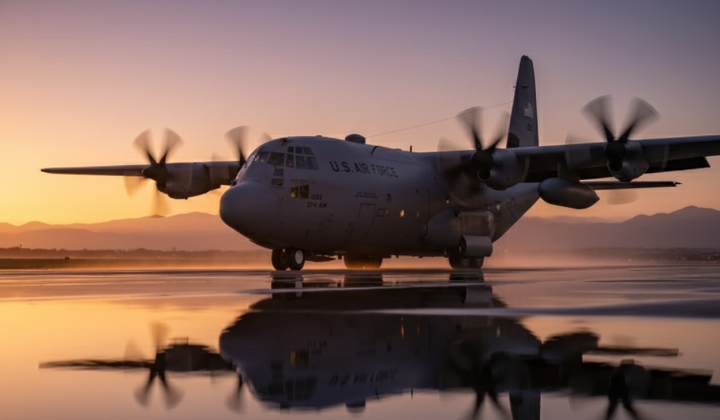
According to Главком: Switzerland has denied U.S. requests for intelligence aircraft overflights related to the conflict with Iran, citing its long-standing neutrality law. Specifically, two requests for American reconnaissance planes to fly over Swiss territory were rejected. In contrast, the Swiss government approved three other unrelated military flights, including two transport aircraft. This decision highlights Switzerland's strict interpretation of its neutral status, a cornerstone of its foreign policy for centuries.
According to official government information, 'The Neutrality Law prohibits parties to a conflict from conducting flights for military purposes.' This stance implies that any further U.S. flight requests exceeding normal levels could also be blocked if they are linked to the Iran conflict.
U.S.-Iran Tensions Escalate
In a related development, the administration of U.S. President Donald Trump has rebuffed attempts by Middle Eastern allies to initiate diplomatic talks aimed at ending hostilities with Iran. Amid this heightened tension, the U.S. State Department announced rewards of up to $10 million for information on Iran's new Supreme Leader, Mojtaba Khamenei, and other senior officials.
This series of events underscores the deepening rift between the United States and Iran, while also showcasing Switzerland's active role in upholding its neutrality during international military disputes.
Switzerland's refusal to permit the overflight of U.S. spy planes demonstrates its commitment to the principles of neutrality in global conflicts, a position that could influence the geopolitical landscape. This move may also serve as a signal to other nations about the importance of maintaining non-intervention, potentially complicating U.S. diplomatic efforts regarding Iran.
Such decisions reinforce the significance of international law and the obligations nations uphold, even amidst complex and volatile political circumstances.

Read also