Researchers from Switzerland and the UAE Engineer 'Living Sand' That Retains Moisture Six Times Longer

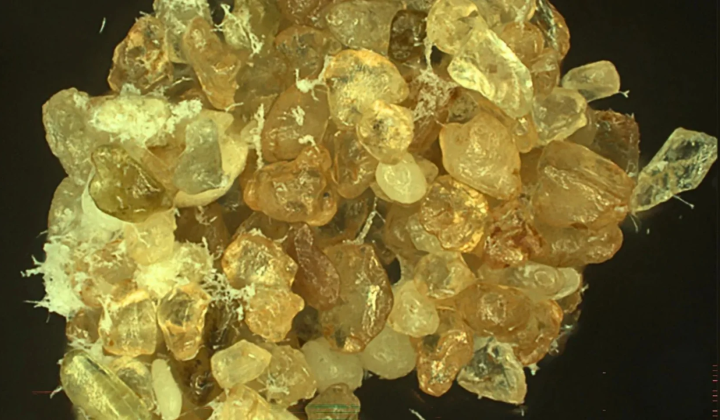
Microbial Architects Revive Desert Sands
According to НВ — Техно: Scientists from Switzerland and the United Arab Emirates, including teams from Khalifa University, Empa Institute, and ETH Zurich, have successfully cultivated microbial fibers within desert sand, creating a novel material dubbed 'living sand.' This innovation binds sand grains together and dramatically extends moisture retention-up to six times longer than untreated sand. Their findings were detailed in the journal Carbohydrate Polymers.
The research was a collaborative effort involving multiple international institutions. The team utilized the bacterium Komagataeibacter medellinensis, known for its cellulose-producing abilities, alongside two strains of the fungus Schizophyllum commune. Sand samples were gathered from dunes near Al Ain in the United Arab Emirates to serve as the experimental medium.
Experimental Techniques
Two distinct methods were developed to reinforce the sand:
- Direct cultivation of bacteria and fungi within the sand matrix;
- Insertion of bacterial cellulose sheets between layers of sand.
Results demonstrated that the 'living sand' lost water at a rate six times slower than regular sand. Incorporating cellulose sheets reduced water permeability by approximately 28 times. A sand column about 6 cm tall became notably solid within just seven days of bacterial growth. When subjected to a 10 kg load, cellulose-reinforced sand compressed significantly less than untreated sand. However, materials reinforced with fungi proved more fragile compared to those strengthened by bacteria.
Researcher Gustav Nyström commented, "This technique enables us to introduce organic matter and water into sand and stabilize it to a certain extent."
It is important to note that these experiments were conducted under controlled laboratory conditions. Further studies are necessary to assess the material’s durability and its capacity to support plant life in actual desert environments.
This breakthrough holds promise for addressing water conservation challenges in drought-prone areas with scarce water resources. The use of 'living sand' could also contribute positively to ecological restoration by rehabilitating degraded lands. Successfully applying these methods outside the lab could offer a critical tool in combating climate change effects and enhancing food security worldwide.

Read also