Trump Announces Turkey-Related Move Ahead of NATO Summit

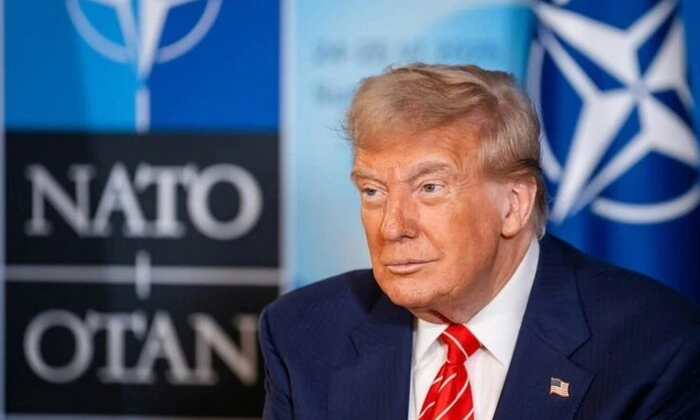
U.S. President’s Statement on Turkey
According to Главком: On the eve of the NATO summit scheduled for July 7–8 in Ankara, U.S. President Donald Trump issued a statement regarding a potential decision concerning Turkey. The U.S. administration has notified Congress of its intent to approve the sale of engines worth €613 million for Turkey’s KAAN fighter jet. This move marks a significant step in U.S.-Turkey relations, especially given previous tensions tied to the F-35 program.
Strained Relations and Reactions
Turkey was removed from the F-35 program in 2019 after acquiring Russian S-400 missile defense systems. That decision sparked opposition from allies, including Israel and Greece, who have voiced objections to selling F-35 jets to Turkey. U.S. Democratic Representative Dina Titus is also gathering signatures to block the sale of F-35s to Turkey, highlighting that the issue remains contentious within the United States.
Trump stated: 'I will probably do something that will make them (Turkey) very happy.'
Meanwhile, Israeli Prime Minister Benjamin Netanyahu said he takes threats from Turkish President Recep Tayyip Erdogan very seriously, underscoring the complexity of the situation.
The question of whether F-35 jets will be sold to Turkey depends on Ankara’s willingness to transfer its S-400 systems to a third country. There is speculation that South Korea could be a potential buyer for the S-400s. At the same time, NATO members have drafted proposals for supporting Ukraine, including new defense contracts and financial commitments to aid Kyiv.
As a result, the situation surrounding military equipment sales to Turkey remains tense, and upcoming decisions could significantly reshape strategic relations in the region. The interaction between the United States and Turkey, along with reactions from other allies, may influence not only NATO defense policy but also broader geopolitical dynamics in the face of current challenges and threats.
As the U.S. navigates its complex relationship with Turkey, the broader implications for NATO and regional security are becoming increasingly evident. Recent developments indicate that Turkey's strategic alignment is shifting, impacting its balancing act between Moscow and NATO. This shift could play a crucial role in the upcoming NATO summit discussions and future military collaborations.

Read also