Trump's Offer of U.S. Navy Escorts for Tankers in the Strait of Hormuz: Global Implications

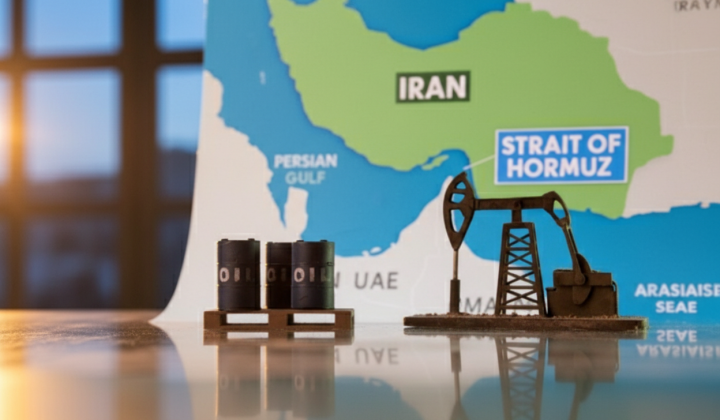
U.S. Navy Prepared to Escort Commercial Tankers
According to Главком: President Donald Trump has declared that the U.S. Navy is prepared to escort commercial tankers through the Strait of Hormuz. This announcement follows a claim by a senior Iranian Revolutionary Guards Corps official that the strait was closed. The Strait of Hormuz is a critical maritime chokepoint, accounting for the transit of roughly 20% of the world's daily oil consumption. This narrow waterway has long been a flashpoint for regional tensions and a key concern for global energy security.
President Trump has also directed the U.S. International Development Finance Corporation to provide political risk insurance and financial guarantees for shipping companies. This move underscores the strategic importance of the strait, which is only 33 km wide at its narrowest point, with shipping lanes in each direction just about 3 km wide. According to data from the analytics firm Vortexa, over 20 million barrels of crude oil, condensate, and fuel were transported daily through this passage last year.
Economic Significance of the Region
The economic importance of this region is further highlighted by China's status as the largest buyer of Iranian oil. The primary oil exporters that rely on the Strait of Hormuz are:
- Saudi Arabia
- Iran
- United Arab Emirates
- Kuwait
- Iraq
'The U.S. Navy will begin escorting tankers as soon as necessary. Regardless of circumstances, the United States will ensure the free flow of energy to the world.' Donald Trump
President Trump's statement points to rising regional tensions with potential consequences for global energy markets. While U.S. naval escorts could be a significant step toward securing maritime shipping, they also risk escalating the conflict with Iran. Given that the economic interests of numerous nations are tied to this vital artery, the situation in the Strait of Hormuz remains one of the most sensitive issues in international relations.

Read also