Trump's Iran Rhetoric Echoes Putin's Pre-War Ukraine Playbook

Parallels in Presidential Posturing
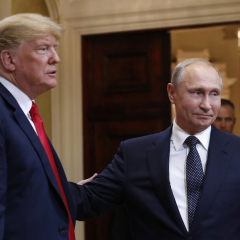
According to Главком: Journalist Anton Troianovski draws a concerning comparison between Donald Trump's recent rhetoric on Iran and the actions of Vladimir Putin leading up to Russia's full-scale invasion of Ukraine. Troianovski notes that both leaders have employed similar terminology, shifting objectives, and an expectation of swift success in their military ambitions.
On February 24, 2022, Vladimir Putin addressed Ukrainian soldiers, demanding they lay down their arms and signaling the start of a major military operation. However, by July 2022, he claimed Russia had "not yet started anything serious," a statement that alarmed the international community. The human cost of Russia's war in Ukraine is staggering, with casualties approaching 500,000. This conflict was preceded by Russia's annexation of Crimea in 2014, an initial act of aggression that escalated regional tensions.
Escalating Tensions with Iran
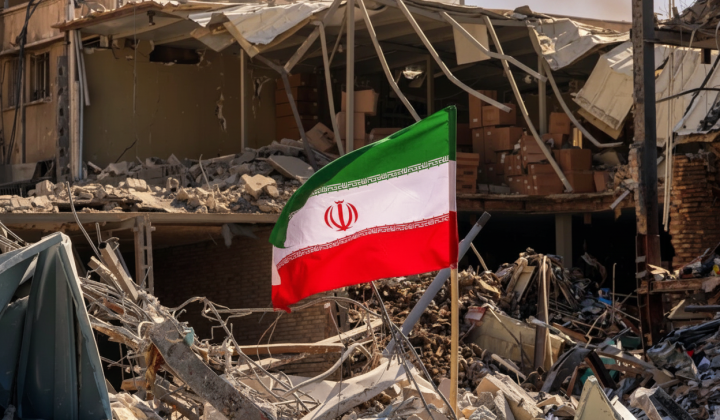
In the context of Iran, a significant aerial attack by Iran targeted the United Arab Emirates on March 8, marking a dangerous new phase for regional security. Earlier, on February 28, a strike on a girls' school in the Iranian city of Minab raised serious concerns about civilian safety and the nature of the conflict.
Donald Trump's recent statement on military action bears a striking resemblance to Putin's earlier comments. Trump asserted:
“We haven’t even started hitting them hard yet.”
This echoes Putin's July 2022 remark:
“We haven’t even started anything serious yet.”
Such statements reveal a shared rhetorical strategy aimed at projecting power and a willingness to escalate conflicts, a tactic familiar to observers of the Ukraine war.
Prominent military analyst Michael Kofman has observed that defeating a large nation in modern warfare is a formidable challenge, even for the United States, highlighting the immense complexity of such operations. As political analyst Masha Lipman warned,
“By starting a war with Iran, Trump is stepping into the unknown,”
underscoring the profound and unpredictable risks associated with military intervention in volatile regions. These analyses provide crucial context for understanding the potential consequences of escalating rhetoric into action.
These events illustrate how modern geopolitics and military strategies are deeply intertwined, and parallels between the actions of world leaders can have a profound impact on international stability.
- The situations in Ukraine and Iran underscore the intricate challenges of contemporary international relations.
- The decisions of powerful leaders can directly influence stability in vulnerable regions.
- The connection between these military campaigns demonstrates the critical importance of strategic analysis and international diplomacy.
- The global community continues to monitor these developments with great concern.

Read also